01
Provision within reach
Upper-primary and secondary sections close enough that continuing after Class 8 does not require a daily journey a family cannot fund or a girl’s family will not permit.
Public service and development
Infrastructure, education, health, agriculture, rural works and welfare — the six files that a constituency office in North Gujarat opens every single week.
Development initiatives
Development in a rural constituency rarely arrives as a single large project. It arrives as a link road completed, a classroom handed over, a water connection commissioned, a sub-centre finally staffed, a train given a stoppage. Each one is small enough to be overlooked and large enough to change a household’s week.
The role of a representative in that sequence is specific: identify the requirement with the people who will use it, get it into the right department’s plan, keep it alive through the sanction and tendering stages, and be present when it is handed over — because that is also the moment when the next requirement is raised.
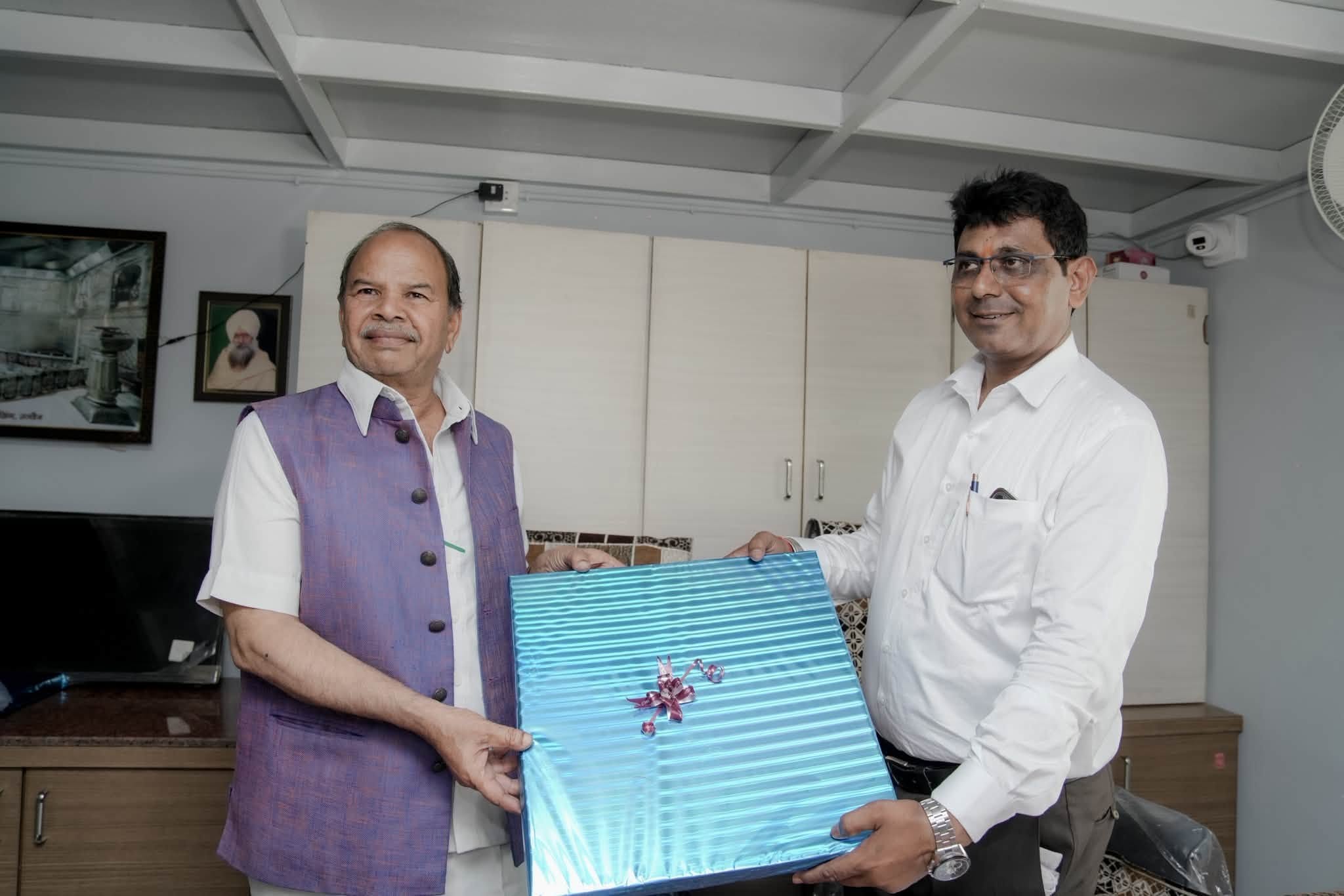
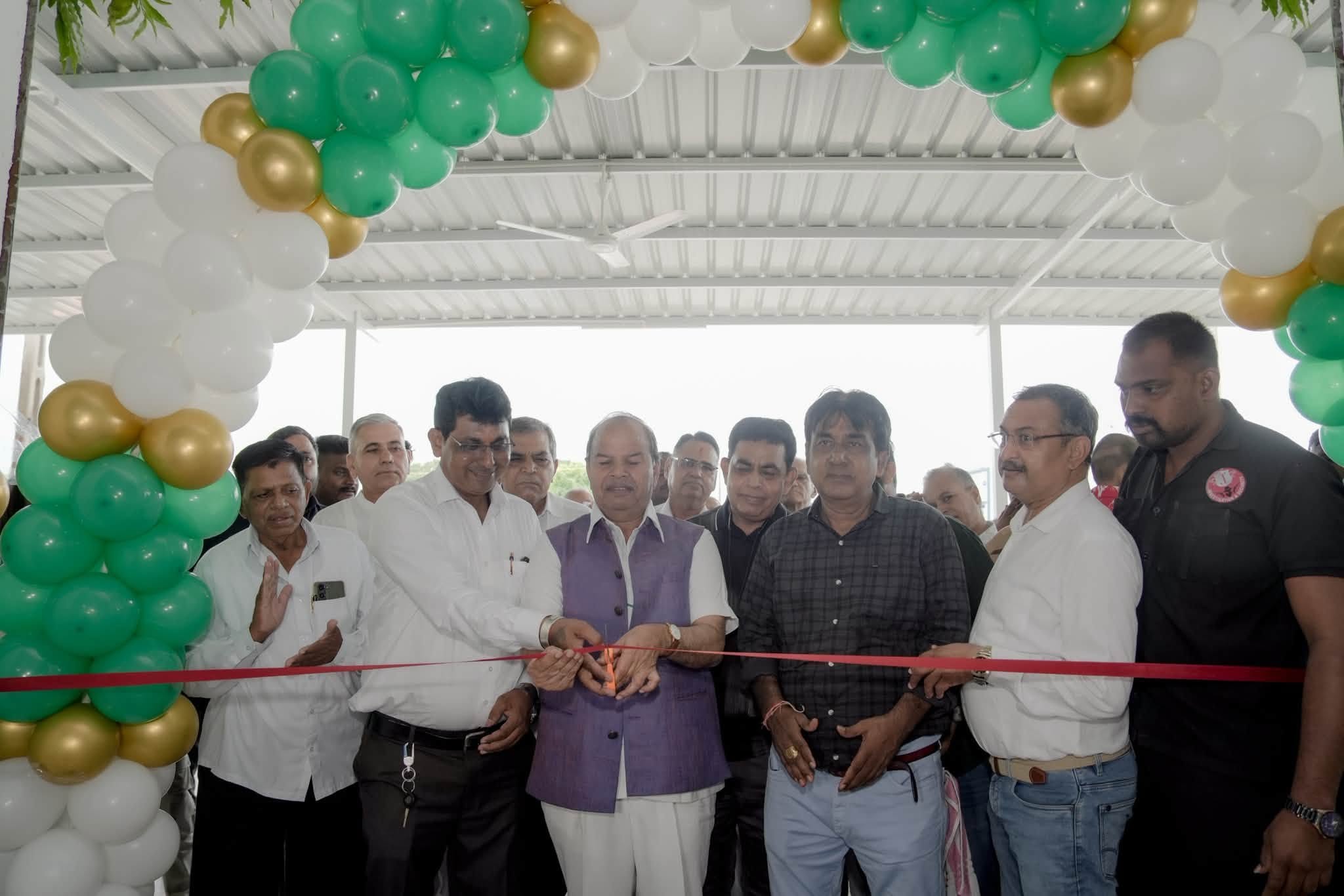
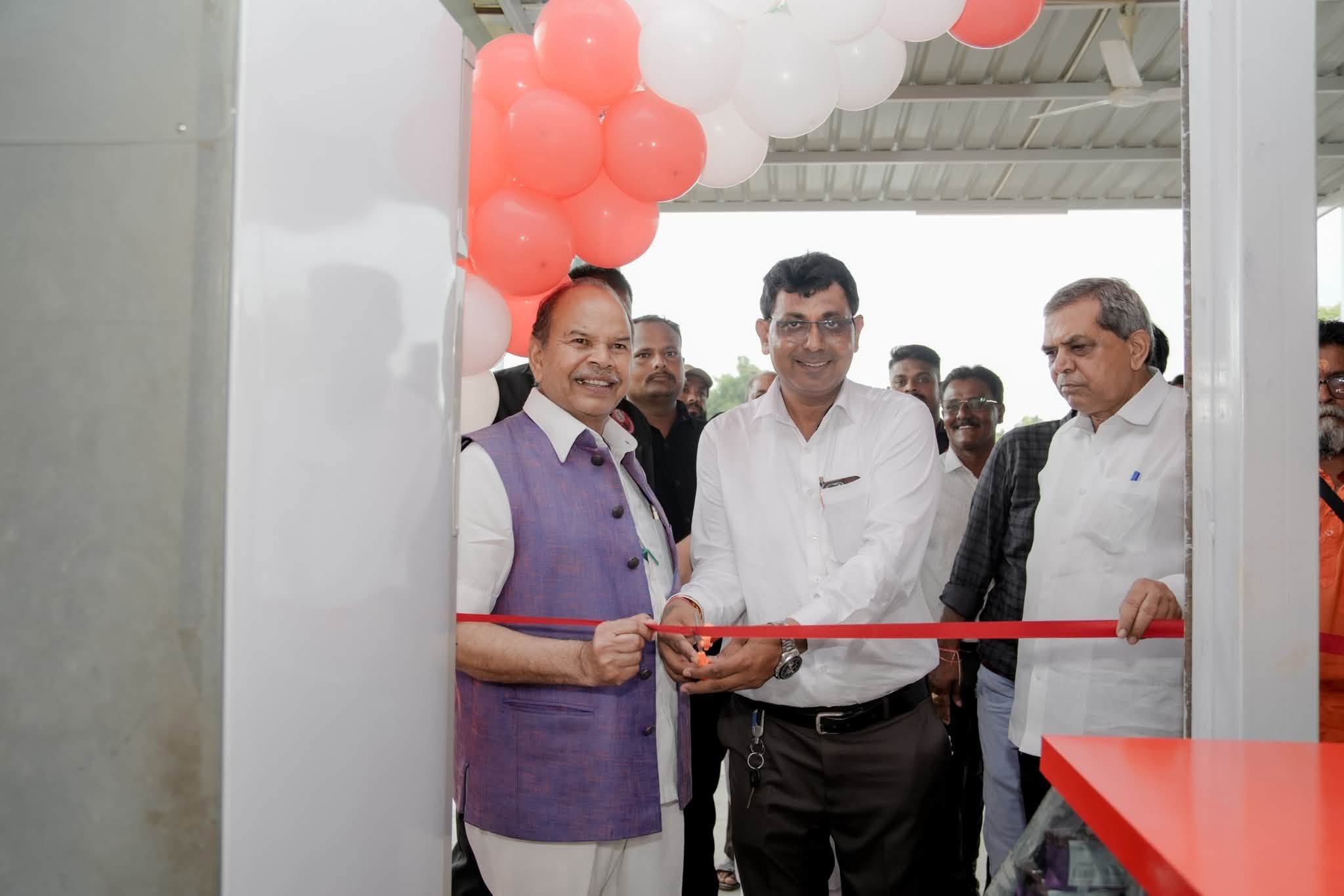
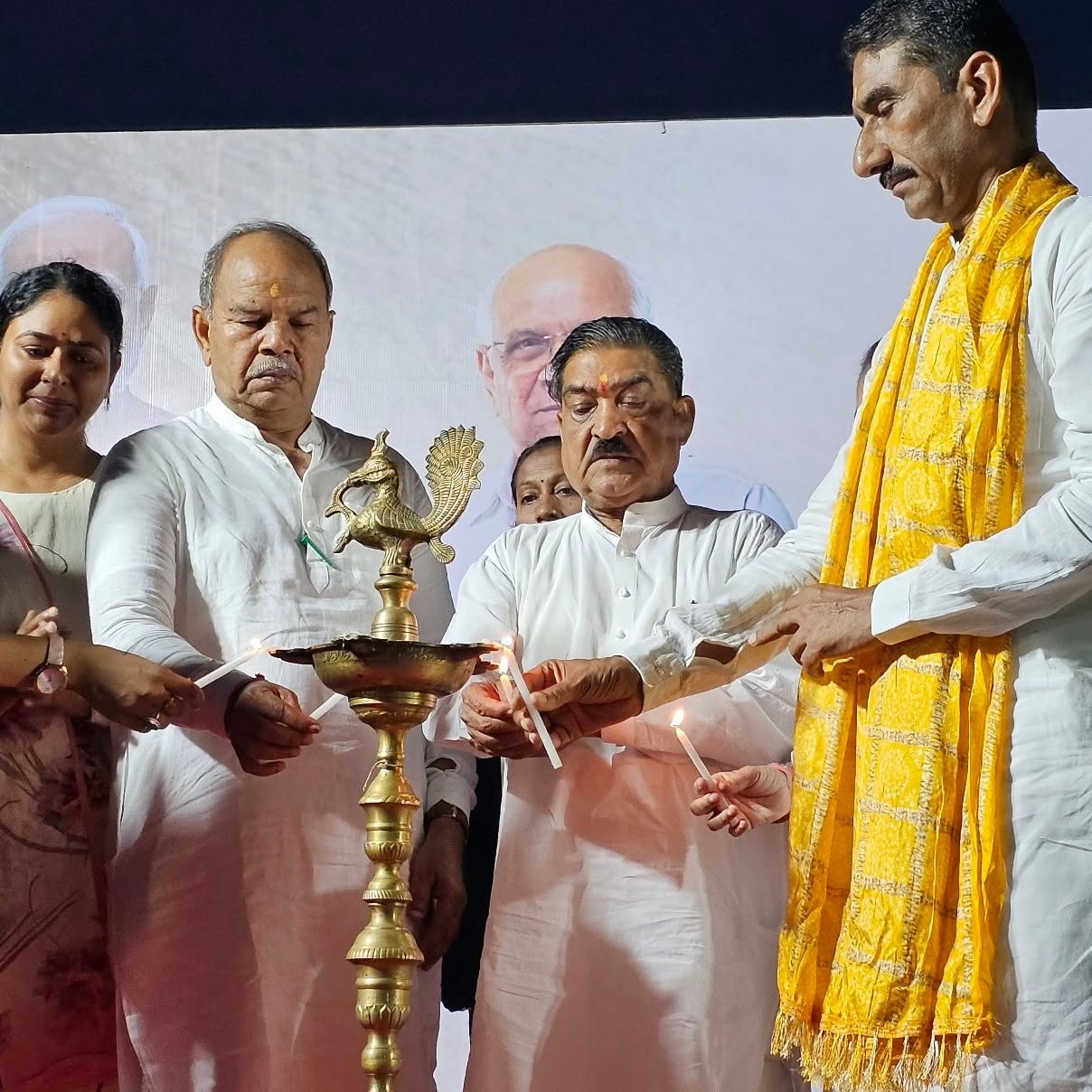
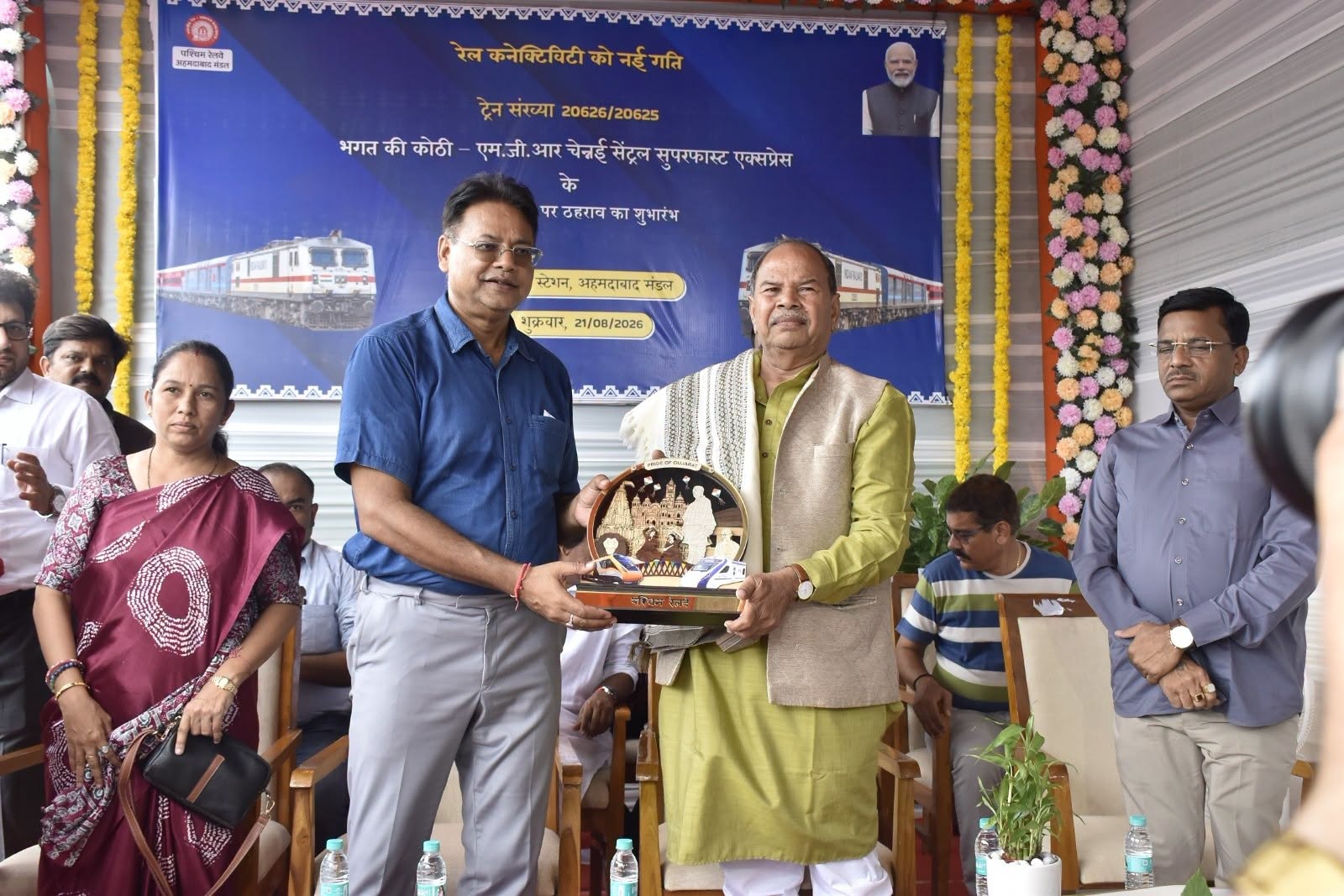
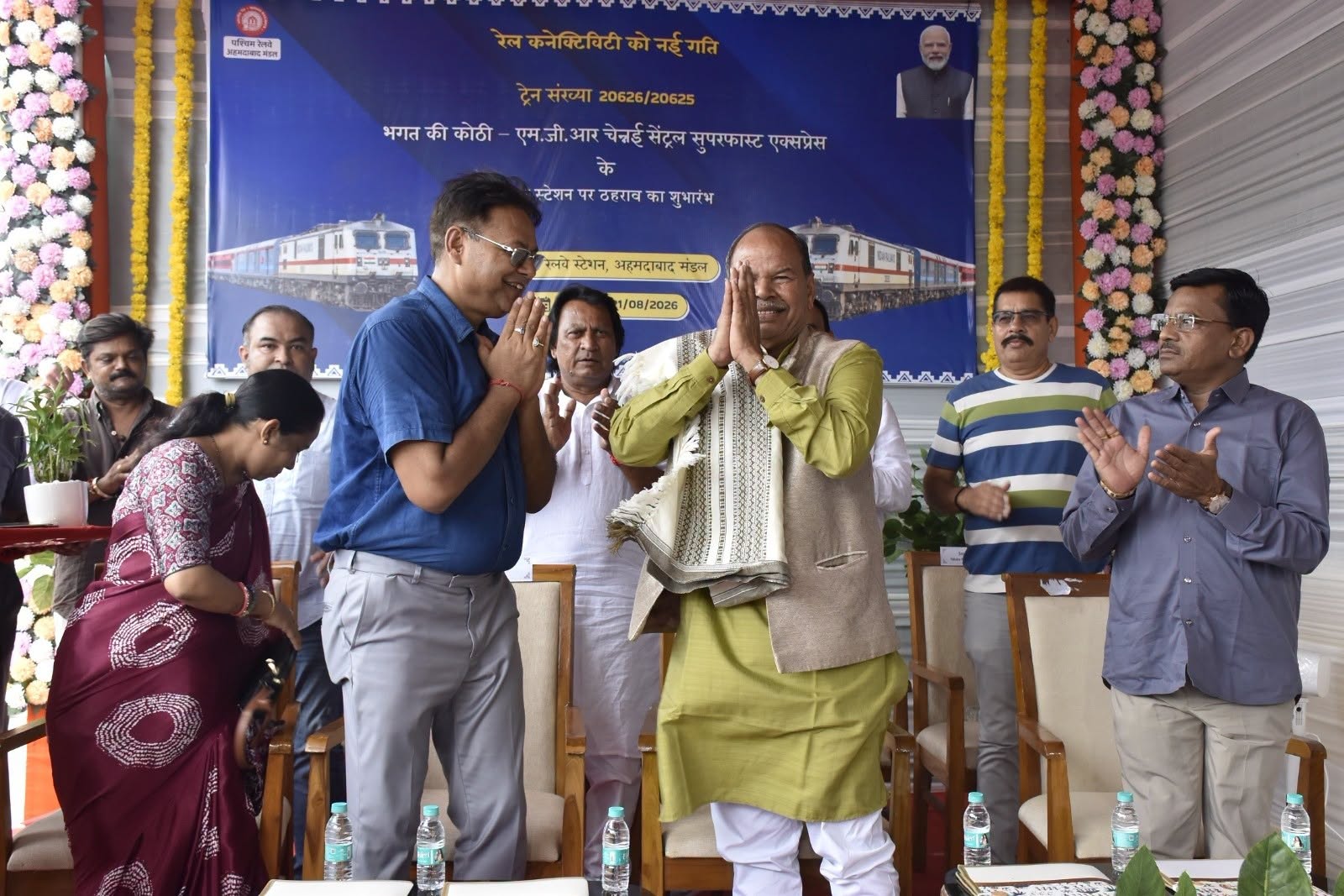
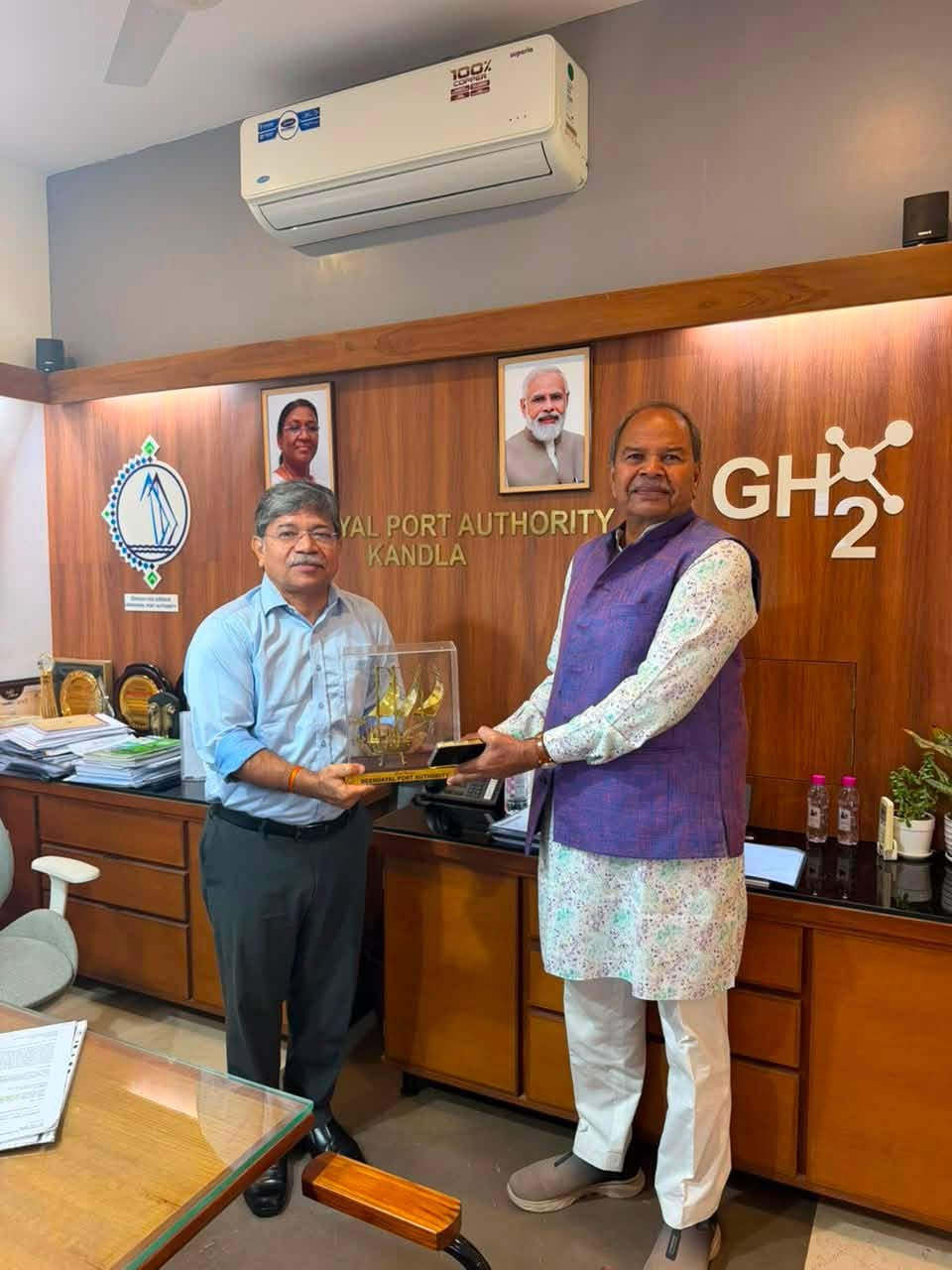
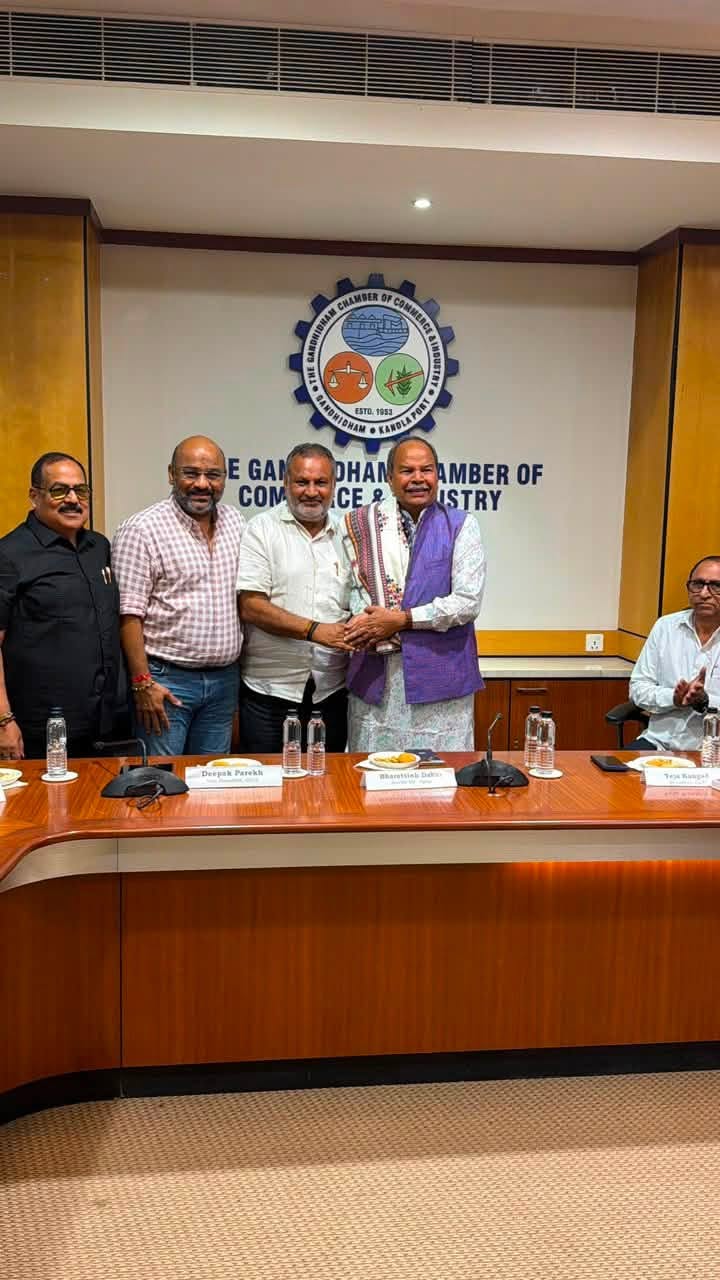
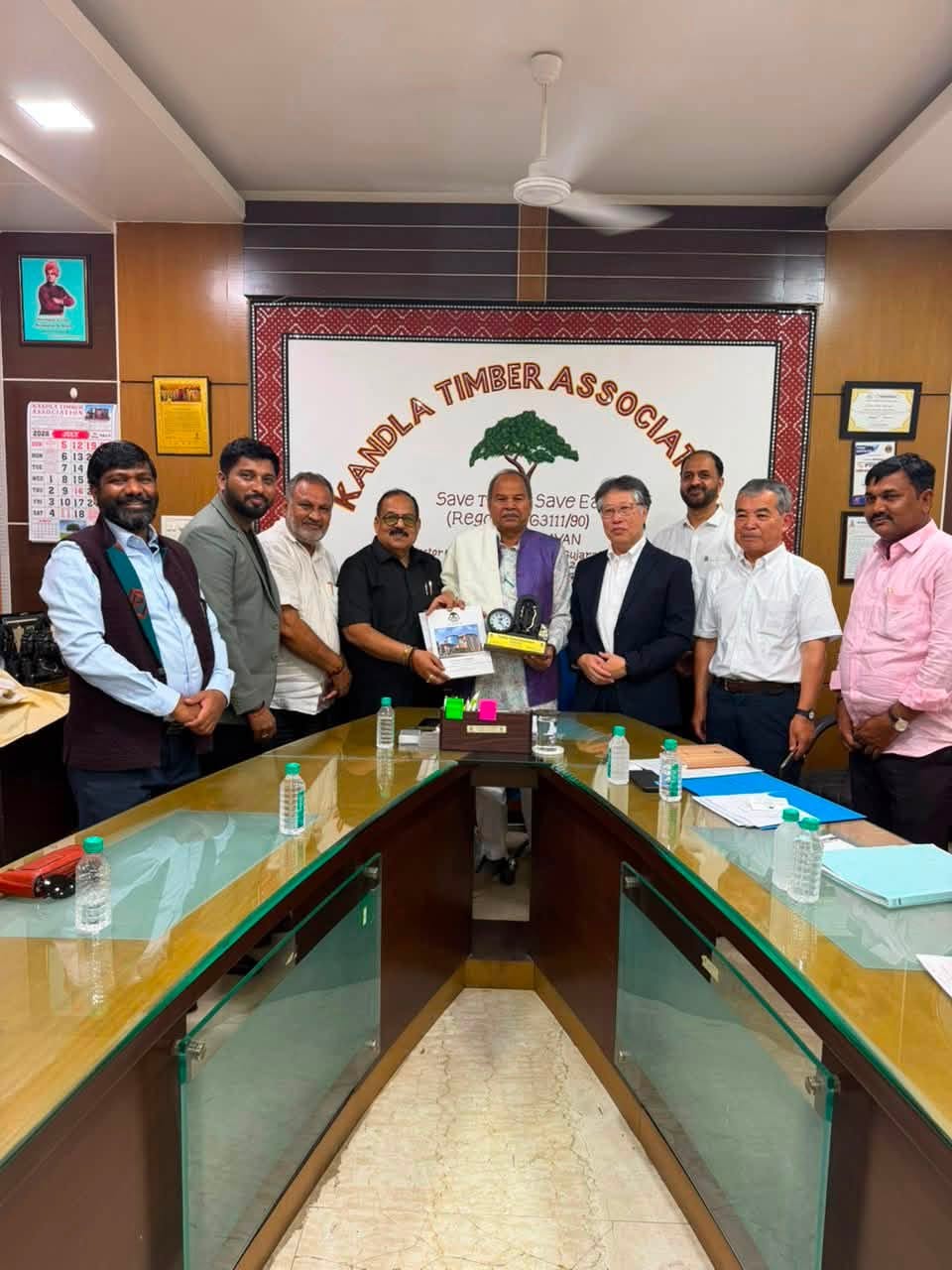
The sections below set out the fronts on which that work is organised, together with photographs documenting public programmes, inaugurations and institutional meetings.
Infrastructure
In a constituency of villages, connectivity is not one sector among many — it is the multiplier on every other sector. A road that holds through the monsoon determines whether milk reaches the chilling centre, whether a pregnant woman reaches the referral hospital, and whether a child’s attendance survives August.
Rail connectivity carries the same weight over longer distances. A stoppage granted at a nearby station changes the practical reach of a whole taluka: it decides whether a student can attend a college in another district, whether a trader can send a consignment, and whether a family can afford to visit a relative in hospital.
Engagement with trade, industry and port institutions belongs to the same file. Commerce and connectivity are the same conversation held with different people, and a public representative from an agricultural region has a direct interest in both.
Education
In rural North Gujarat, the single biggest determinant of how far a child studies is how far the school is — particularly for girls. Everything else follows from fixing that.
01
Upper-primary and secondary sections close enough that continuing after Class 8 does not require a daily journey a family cannot fund or a girl’s family will not permit.
02
Classrooms, laboratories, libraries, drinking water, functioning toilets and boundary walls — the physical conditions that decide whether a school is usable through the year.
03
Sanctioned teaching posts actually filled in rural schools, and subject teachers available for science and mathematics at the secondary stage.
04
Scholarship, uniform and mid-day meal entitlements reaching students without months of delay, and assistance for families where a single fee decides whether a child continues.
05
Access to ITI and skill training within the district, and support for students pursuing higher education outside it.
Healthcare
Rural health outcomes are decided less by policy design than by whether the nearest facility is open, staffed and equipped on the day it is needed.
Sub-centres and primary health centres with sanctioned staff in place, essential medicines in stock and equipment in working order.
Antenatal coverage, institutional delivery, immunisation and nutrition support through the anganwadi network.
Emergency transport that arrives, and a referral chain to the district hospital that does not break at night or in the monsoon.
Camps, diagnostic access and specialist consultation that do not require a full day of travel and a day’s lost wage.
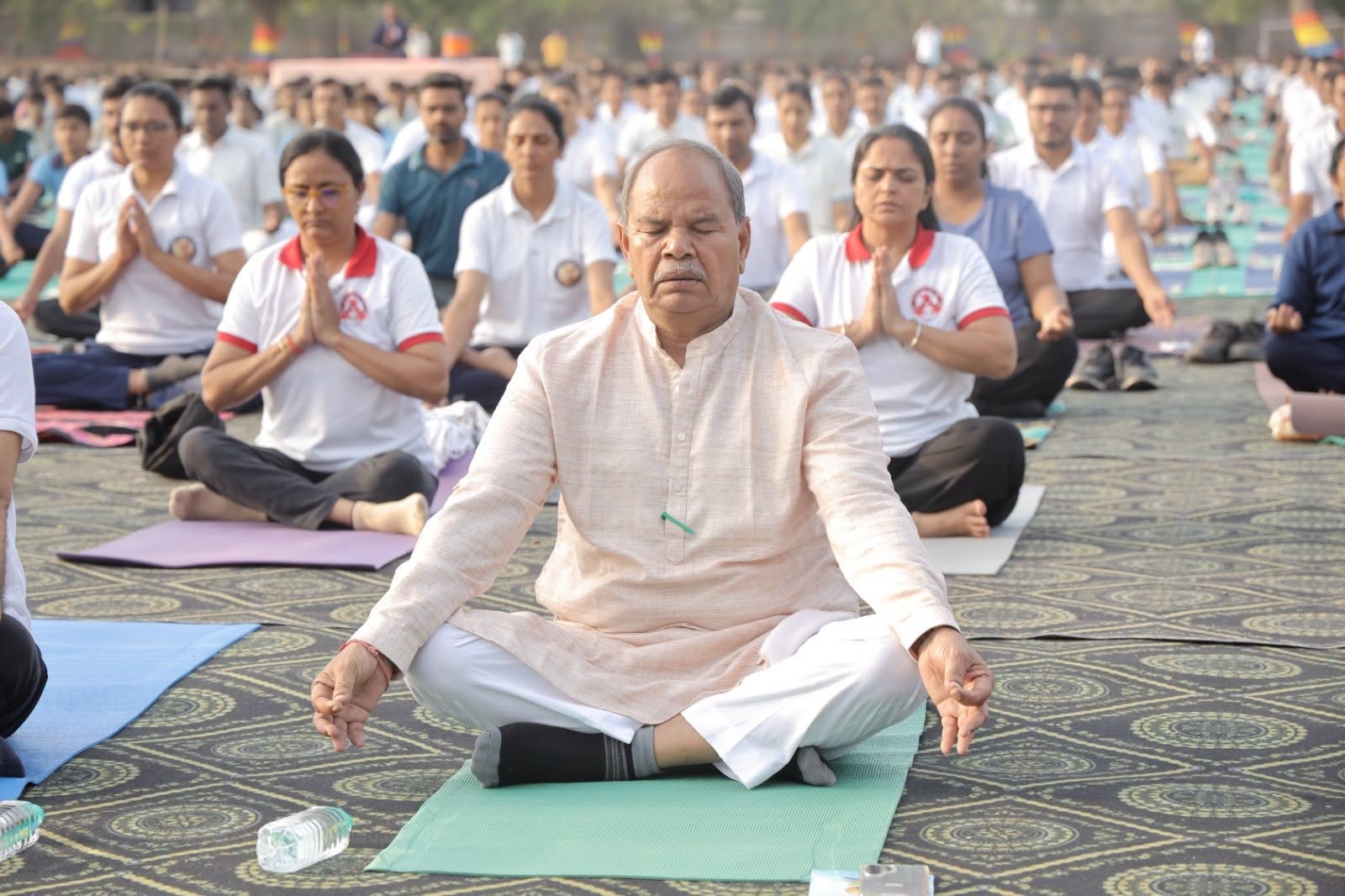
Public health awareness, yoga and fitness programmes, sanitation and safe drinking water — the measures that reduce demand on the system itself.
Health insurance and assistance schemes reaching families at the point of illness rather than after it.
Agriculture
Farm income in this belt is built from three sources that must be worked on together: what the land yields, what the market pays, and what the livestock adds. Improve only one and the household is still exposed.
Water is the binding constraint. Groundwater has fallen through living memory, and the returns from canal extension, recharge structures and micro-irrigation are larger than from almost any other agricultural intervention available here.
The dairy cooperative is the second pillar and the more reliable one. It pays regularly, it pays women directly in many households, and it converts fodder and labour into cash without depending on a good monsoon. Strengthening village societies, chilling infrastructure and veterinary services is agricultural policy, even though it is rarely filed under that heading.
The third is market access: procurement, storage, grading and transport. A crop that cannot be stored has to be sold at whatever the first buyer offers.
Rural development
Most of what a village asks for is small, unspectacular and decisive for daily life. This is the largest category of work by volume and the least visible.
01
Household connections, storage tanks, pipeline repair and water quality — the first thing a village raises and the last thing to make a headline.
02
Village streets, paving, drainage lines and culverts that decide whether a settlement floods every monsoon.
03
Lighting on internal roads and approach routes, which changes how safely women and students move after dark.
04
Panchayat halls, community centres, anganwadi buildings and crematoria — shared infrastructure that no single household can build.
05
Household and community sanitation, solid waste arrangements and the maintenance that decides whether facilities stay in use.
06
Playgrounds, plantation, water bodies and the upkeep of shared village space.
Social welfare
A large part of a representative’s work has nothing to do with new projects. It concerns entitlements that already exist on paper and have not reached the household they were designed for: a pension not credited, a housing sanction stalled, an assistance claim rejected for a correctable error, a certificate that requires four visits to obtain.
These cases are individually small and collectively enormous. They are also where trust in government is actually made or lost, because the family concerned does not distinguish between a scheme, a department and a state.
The working method is unremarkable: record the case, identify the exact stage at which it is stuck, address the competent authority in writing, follow up, and inform the family of the outcome even when it is negative. Where the same failure appears repeatedly across villages, it is raised as a systemic issue rather than case by case.