Responsive governance
An office that answers, a file that moves, and a citizen who does not have to know someone to be heard.
Kheralu · Mehsana District · Gujarat
Three assembly terms representing Kheralu, and a working life spent close to the villages, farms and cooperatives of North Gujarat. This website is a record of that representation — the journey, the constituency, the work and the priorities that follow from it.
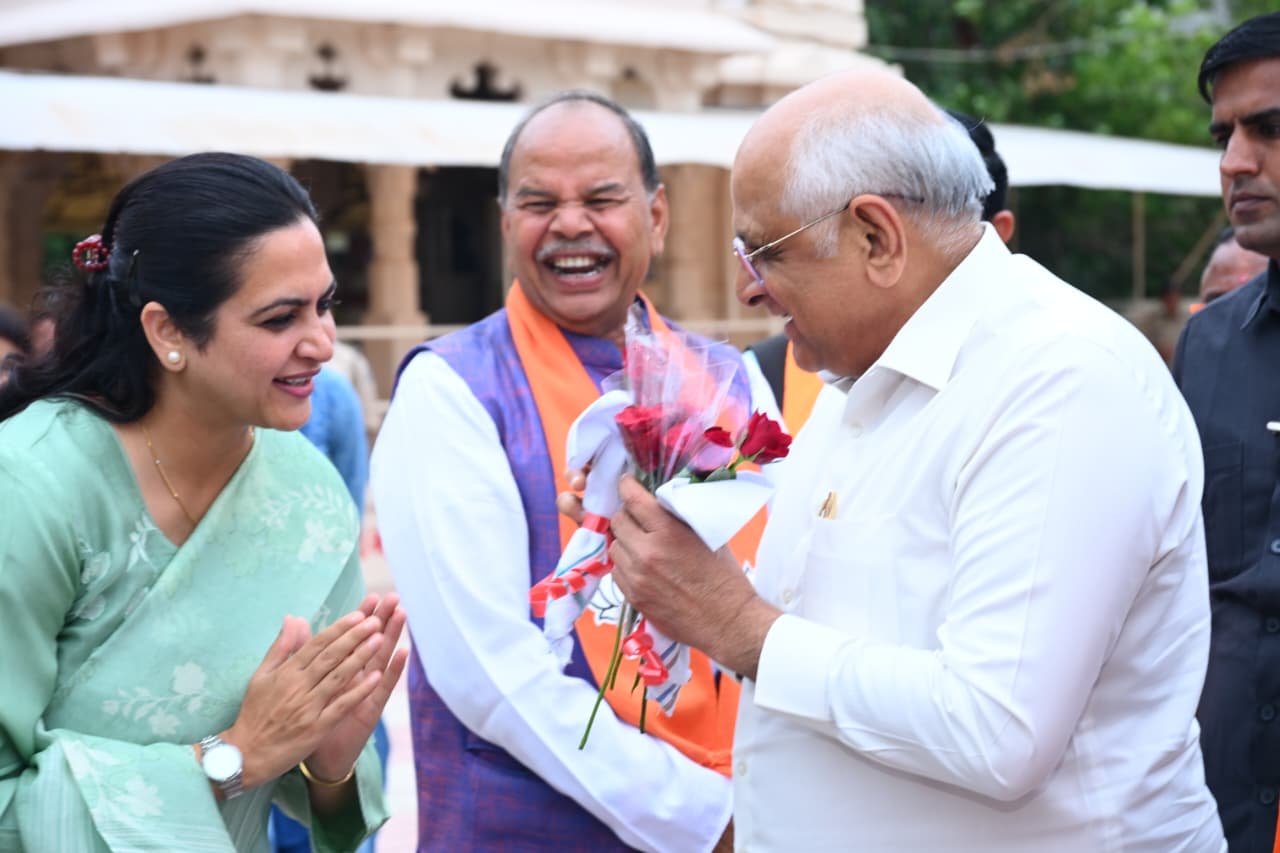
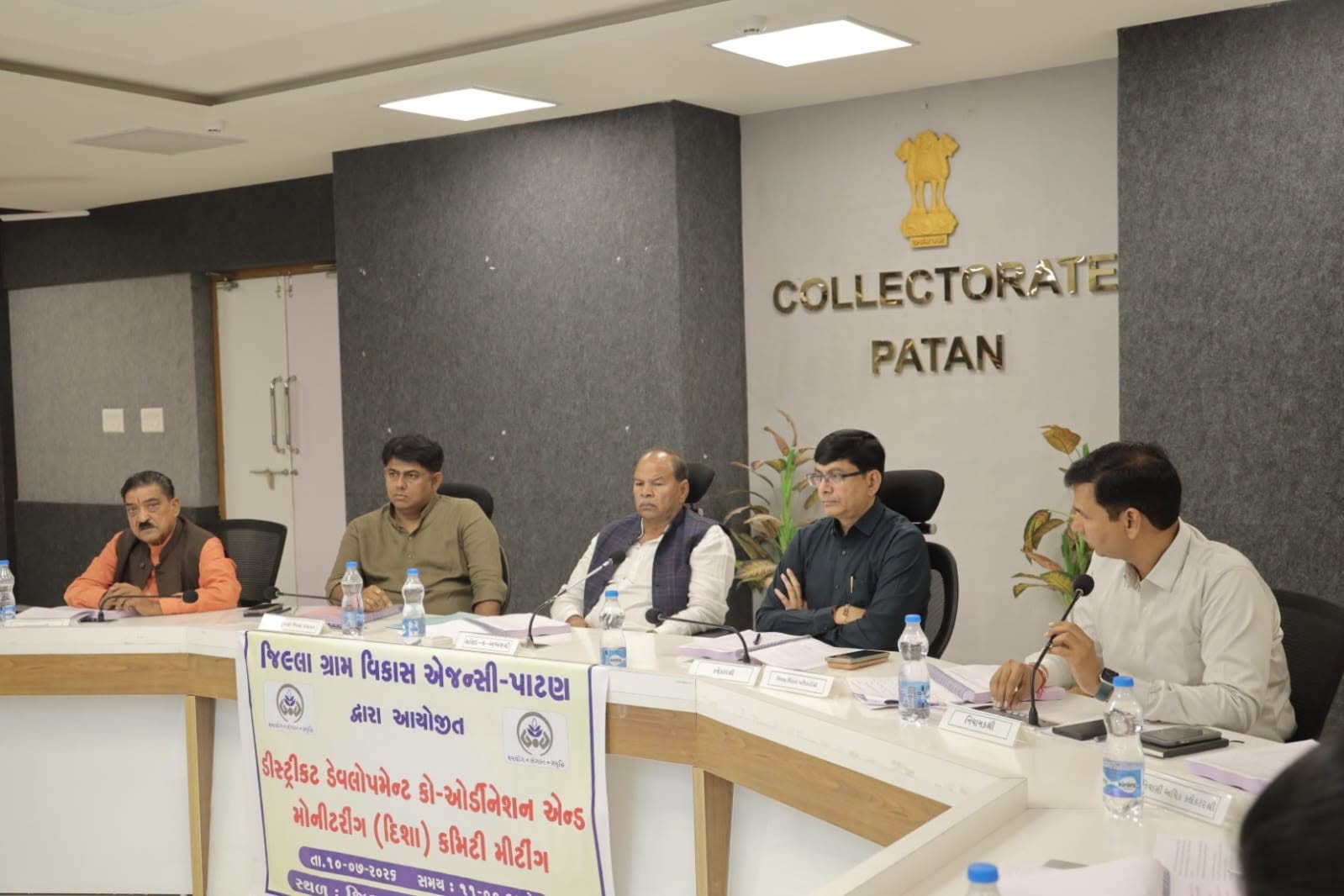
Public service
Public life in North Gujarat is not conducted from a distance. It happens in village squares after the day’s work is done, in taluka offices where a file needs a second signature, at the gate of a school that has waited too long for an additional classroom, and in the quiet conversations that follow a family’s loss. The work of a public representative here is shaped by that immediacy.
Across three terms in the Gujarat Legislative Assembly — the 12th, the 13th and the 14th — Bharatsinhji Dabhi has represented Kheralu, a constituency in Mehsana district where farming, dairy cooperatives and small enterprise sustain most households. The concerns that arrive at a representative’s door here are practical and repeated: water that has to be drawn from further down each year, a road that turns unusable in the monsoon, a scholarship application that has stalled somewhere in the system, a health centre that needs a doctor.
The approach has been correspondingly practical. Receive the request. Establish what is actually blocking it. Put it in writing to the office that can move it. Return to the person who raised it, whether the answer is yes or no. Repeat until the pattern behind the individual complaint becomes visible — and then raise the pattern, not only the case.
This is the ordinary machinery of representative democracy. It is unglamorous by design, and it is the part of the work that citizens actually feel.
The measure of an office is not how many events it attends, but how reliably it answers on an ordinary working day.
Leadership timeline
Elected representation is a long apprenticeship. Each stage below adds a different responsibility — to a village, to a constituency, and finally to a legislative record that outlasts any single term.
The story begins where it remains anchored: in the villages of the Kheralu region of Mehsana district, an agrarian belt in North Gujarat where the rhythm of the year is set by sowing, by the arrival of the monsoon and by the morning and evening milk rounds. Understanding a constituency like this one is not an academic exercise; it comes from years of moving through it.
The path into elected office in this region runs through organisational and community work — village committees, cooperative bodies, party organisation at the booth and taluka level, and the steady, unpaid business of helping neighbours navigate government offices. That grounding decides what kind of representative a person becomes long before an election result does.
Elected to the Gujarat Legislative Assembly as the representative of Kheralu. A first term is largely about learning the machinery: which department controls which sanction, how a constituency’s demands are converted into starred questions and written representations, and how the annual budget cycle can be used to move a long-pending local project.
A second term representing Kheralu. With the procedural learning done, the emphasis shifts from individual cases to recurring patterns — water table decline, road maintenance cycles, teacher and doctor vacancies in rural postings, and the gap between a scheme being announced in Gandhinagar and reaching a household in a village of three thousand people.
A third term. By this stage a representative carries an accumulated file of the constituency: which villages still lack a connecting road, which schools need upper-primary sections, which sub-centres are understaffed, and which cooperative institutions are strong enough to carry a new programme. Continuity of representation is, in itself, an administrative asset.
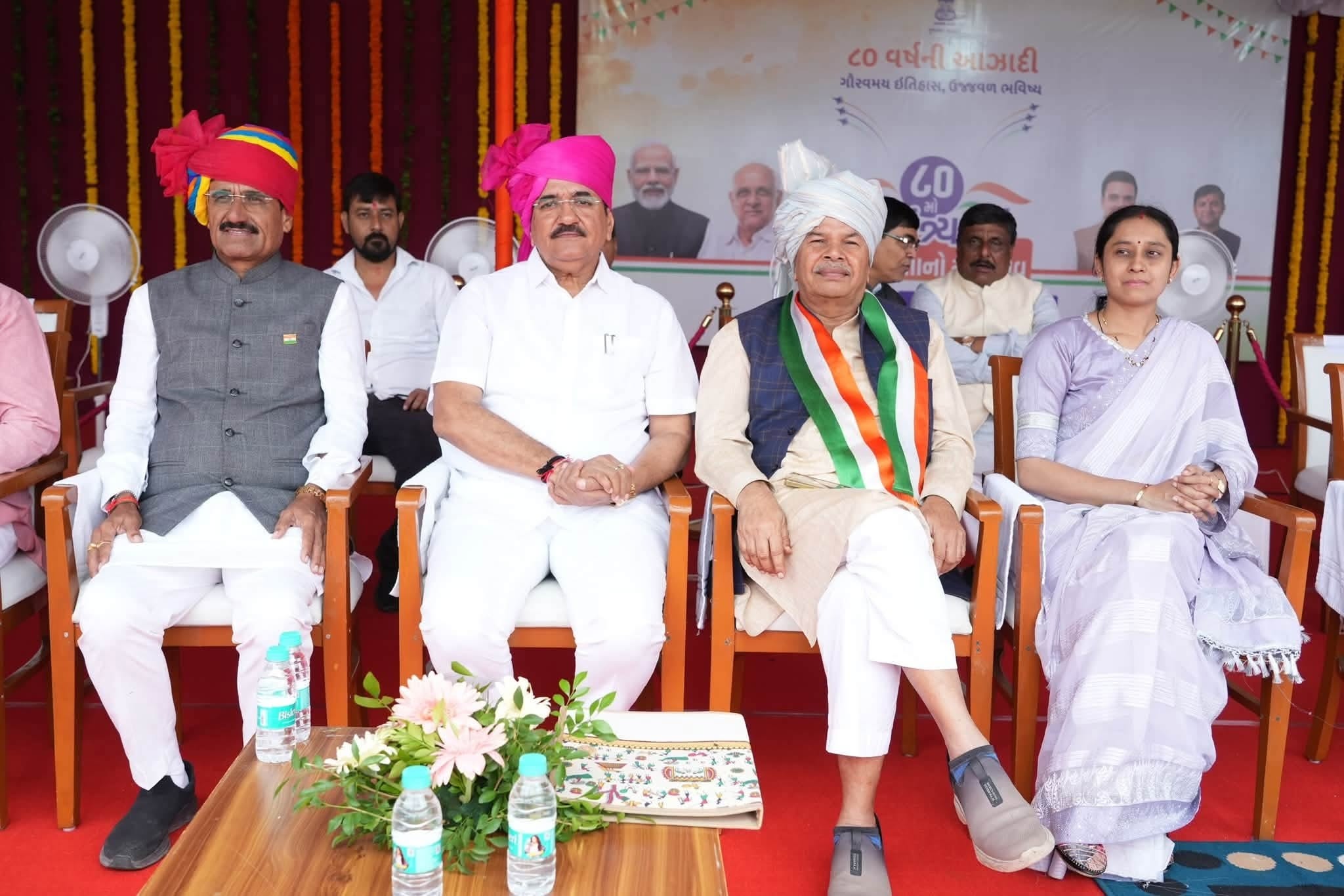
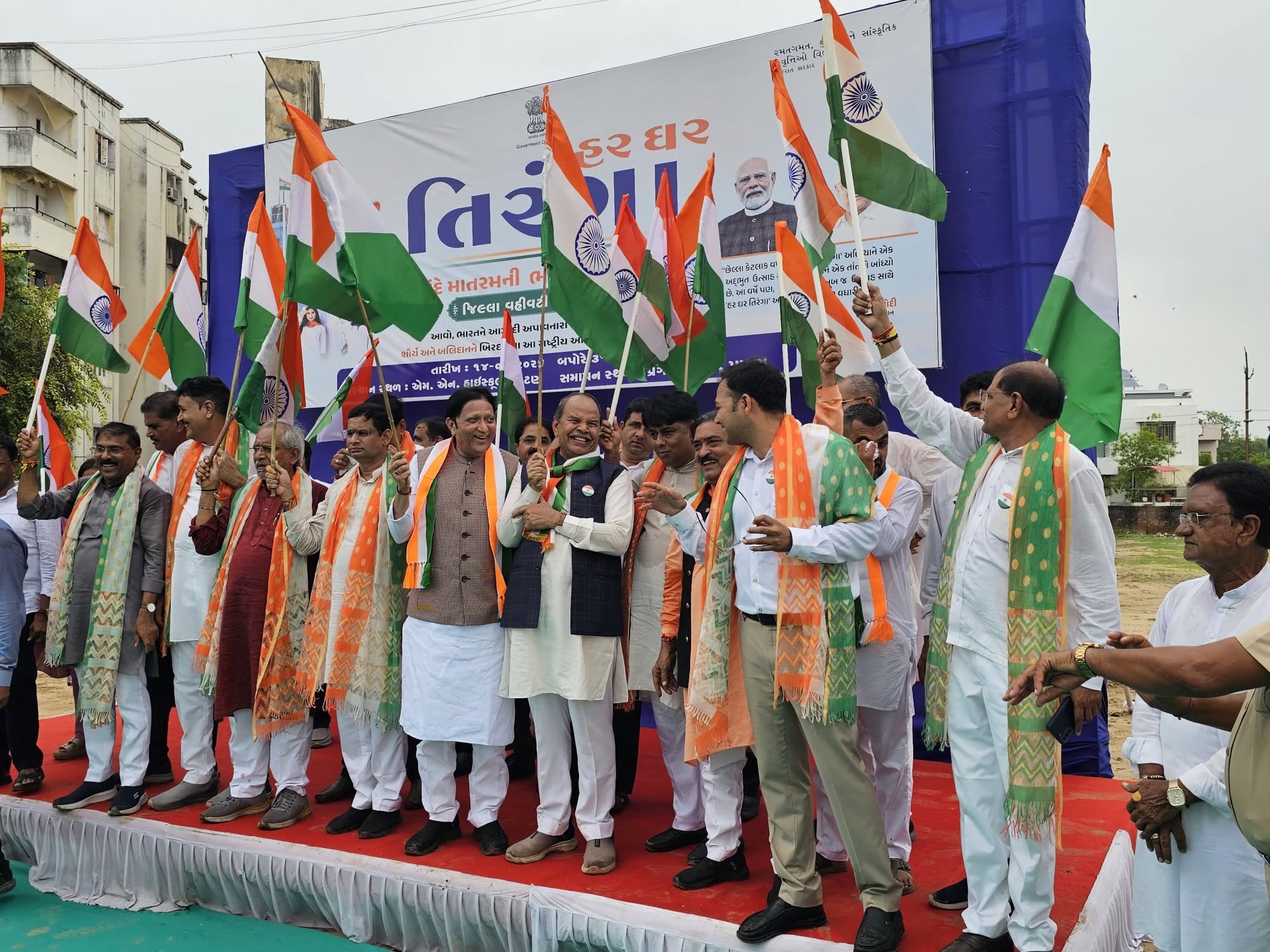
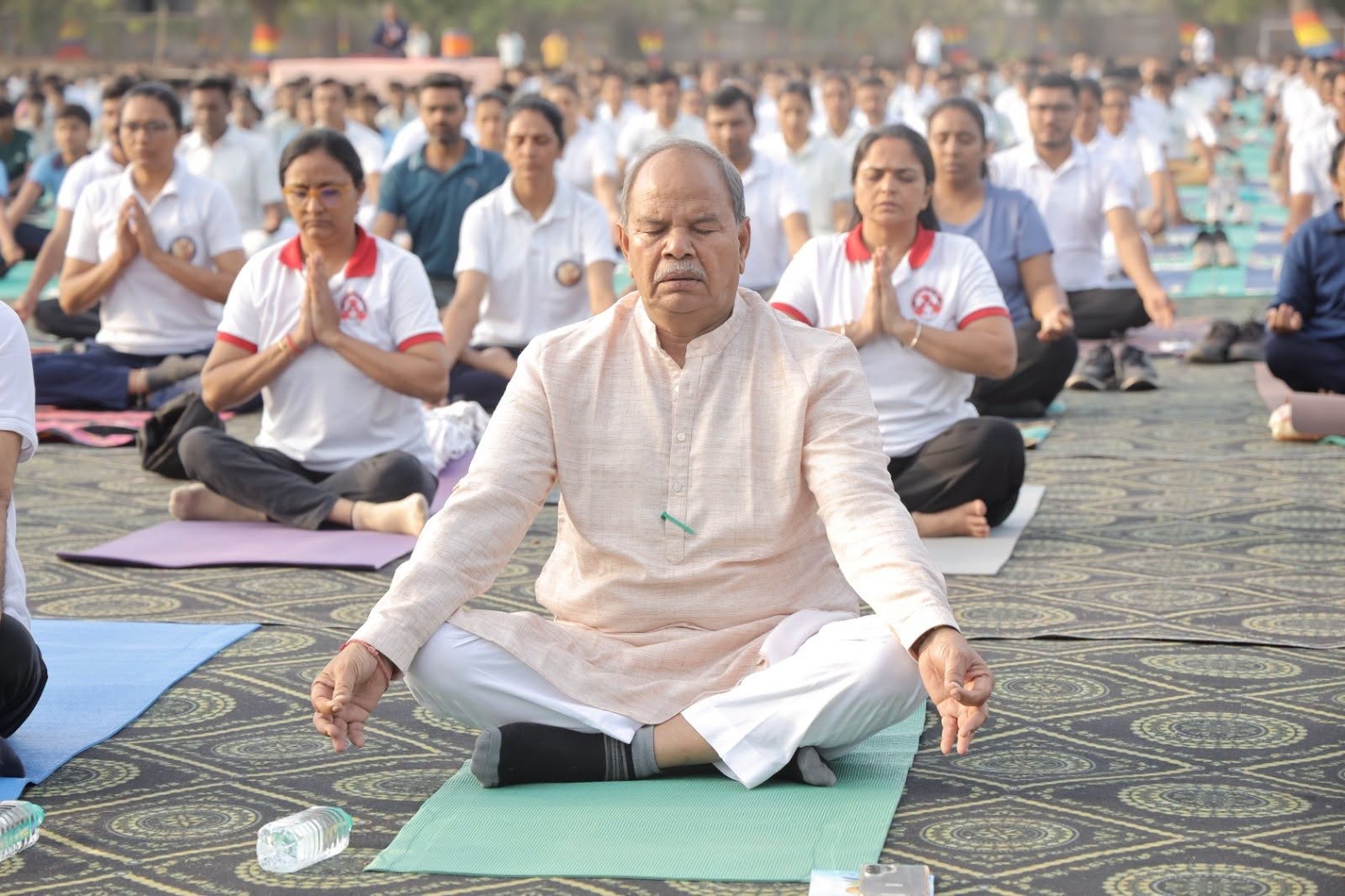
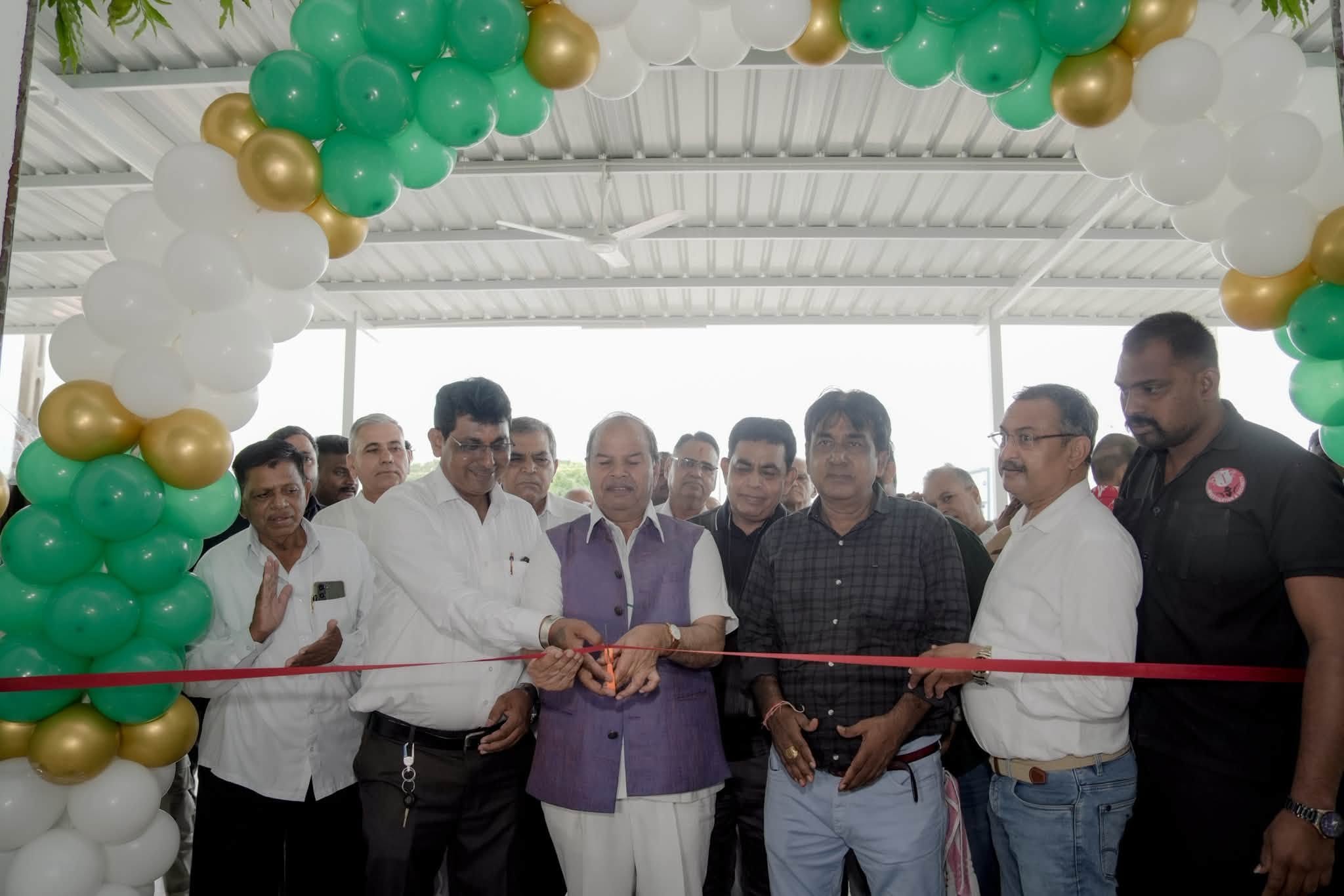
Public service does not pause between terms. The photographs on this website document an ongoing schedule: district development review and monitoring meetings, written representations submitted to Union Ministers, inaugurations of new public facilities, Independence Day and Har Ghar Tiranga observances, International Day of Yoga, temple and community gatherings, and meetings with trade and industry associations.
The constituency
Kheralu is an assembly constituency in Mehsana district, in the North Gujarat plain between the Sabarmati and the Rupen. It is not a metropolitan seat and does not behave like one. Its economy rests on irrigated and rain-fed agriculture, on one of the densest dairy cooperative networks in the country, and on the small manufacturing and trading units clustered around its market towns.
That structure determines what representation means here. A single decision about canal water scheduling can matter more to household income than any number of announcements. A rural road that becomes motorable in August decides whether milk reaches the chilling centre and whether a child reaches school.
Development and priorities
These are not campaign categories. They are the headings under which nearly every application, grievance and delegation that reaches a representative’s office in this region can be filed.
01
Groundwater levels, canal branch extension, check dams and farm ponds, and the shift to drip and sprinkler systems that lets the same water cover more land.
02
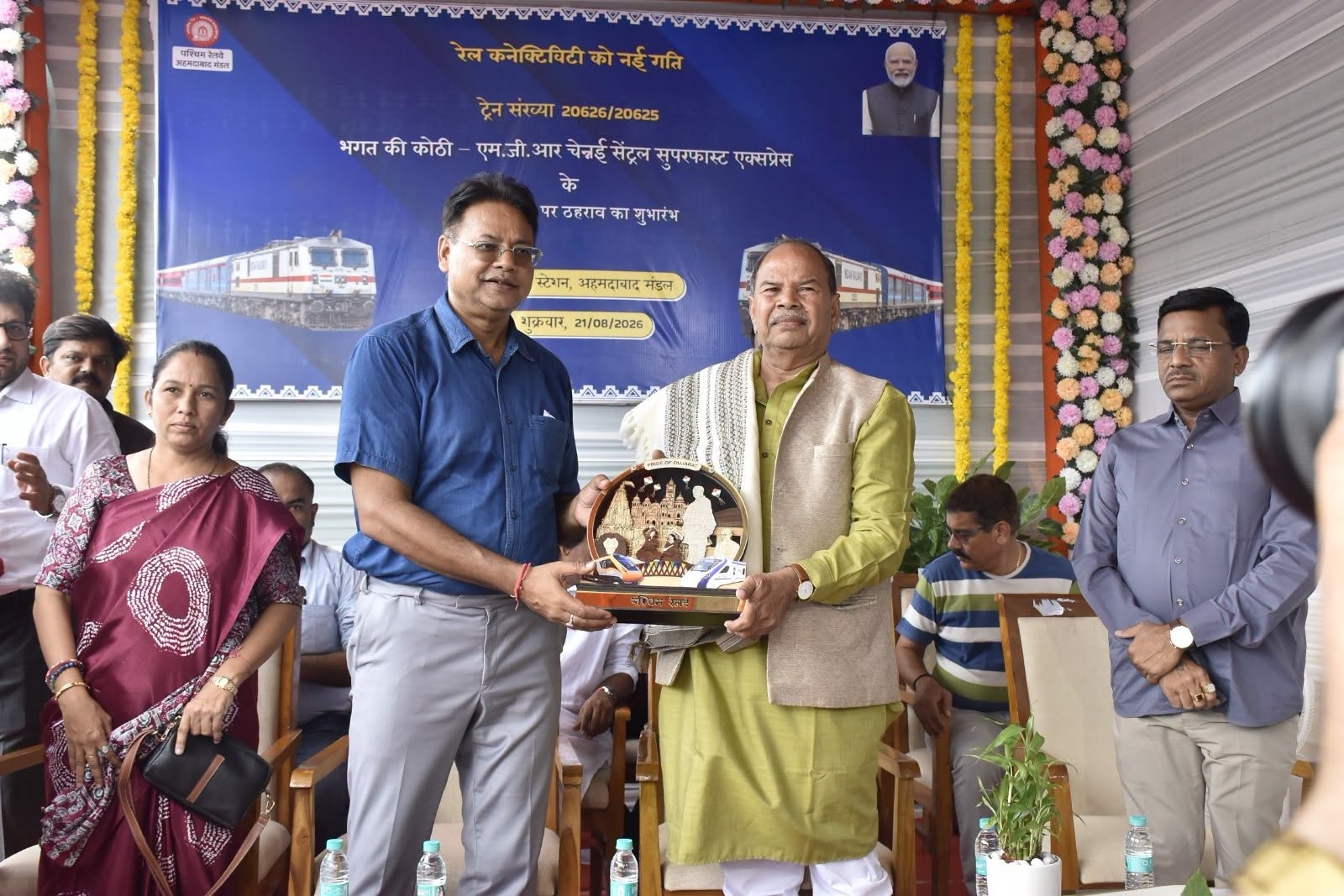
Village approach roads, taluka link roads and their maintenance cycles — together with rail and bus connectivity that decides how far a student or a patient can realistically travel.
03
Classroom and laboratory infrastructure, upper-primary and secondary provision within reach of a village, teacher postings in rural schools, and scholarship delivery that does not stall in transit.
04
Staffing and equipment at primary health centres and sub-centres, referral transport, maternal and child health coverage, and access to specialist care without a full day’s journey.
05
Procurement and market access, cold storage and warehousing, animal husbandry support, and the cooperative structures that convert a small surplus into a monthly income.
06
Drinking water supply, drainage, street lighting, community halls, crematoria and the everyday village works that rarely make news but decide daily life.
07
Pension and assistance schemes reaching the elderly, widows and persons with disabilities; housing entitlements; and support for families at the point where a single illness can undo a decade of saving.
On the record
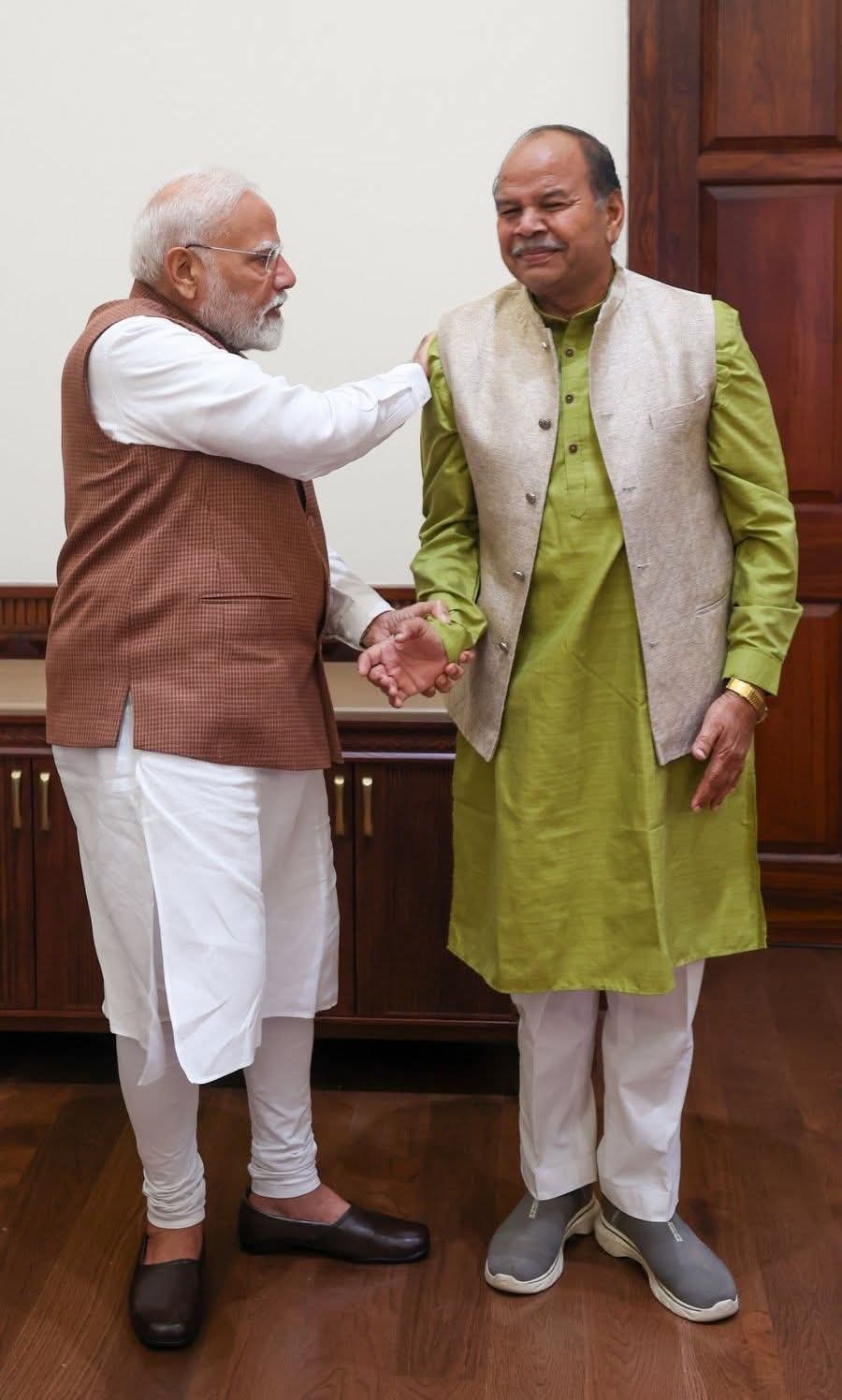
Representation leaves evidence. These are three of the occasions recorded on this website, each linked to a different part of the constituency file.
Vision
Kheralu’s next phase will be decided less by new announcements than by the quality of delivery on commitments already made — and by whether young people can build a future without leaving the district.
An office that answers, a file that moves, and a citizen who does not have to know someone to be heard.
Skill training, higher education access and local enterprise so that opportunity does not require migration.
Self-help groups, cooperative membership, safe transport and health services that treat women as participants, not beneficiaries.
Water security, input support, market linkage and allied income from dairy and animal husbandry.
Roads, rail links, power reliability and digital connectivity that shorten every other distance.
Services close enough to be used, staffed well enough to be trusted, and consistent enough to be planned around.
Public engagement
Representation only works when people use it. Citizens, village committees, cooperative bodies, institutions and associations from the constituency and beyond are welcome to write in with a grievance, a proposal, a request for a public programme, or an invitation. Every message is read.