Water security
Groundwater recharge, canal branch extension, check dams, farm ponds and the shift to drip and sprinkler irrigation. In a constituency like Kheralu, water policy is income policy.
Kheralu constituency
Kheralu sits in the North Gujarat plain of Mehsana district — an agrarian constituency of small holdings, dense cooperative institutions and market towns that hold the region together.
Constituency overview
Kheralu is an assembly constituency in Mehsana district, in the northern plain of Gujarat. The land is flat, intensively cultivated and, for most of the year, dry. Rainfall is concentrated into a short monsoon; everything else depends on what can be stored, recharged or brought in by canal.
The settlement pattern is village-first. Most people live in villages of a few hundred to a few thousand, connected to one another by taluka roads and to the wider economy through a handful of market towns. Those towns hold the mandi, the taluka office, the referral hospital, the higher secondary school and the bus stand — which is to say, almost everything a household needs that the village itself cannot provide.
Economically, three structures matter more than any other. The first is agriculture on small holdings. The second is the dairy cooperative network, which converts a household’s two or three animals into a reliable fortnightly payment. The third is a scattering of small manufacturing and trading enterprises around the towns, which absorb the labour that agriculture alone cannot.
A constituency built this way has a characteristic politics. It is unromantic, specific and long-memoried. Voters here do not ask what a representative believes; they ask what happened to the road that was sanctioned four years ago.
Constituency boundaries and administrative units are as notified by the Election Commission of India and the Government of Gujarat. Ward-level and village-level figures are not published here unless they can be sourced to an official record.
People and communities
Kheralu is home to a plural society in which caste, community and kinship networks remain socially significant while economic life is increasingly shared. The cooperative dairy is the clearest example: at the collection point, the queue is organised by the milk can, not by the household name.
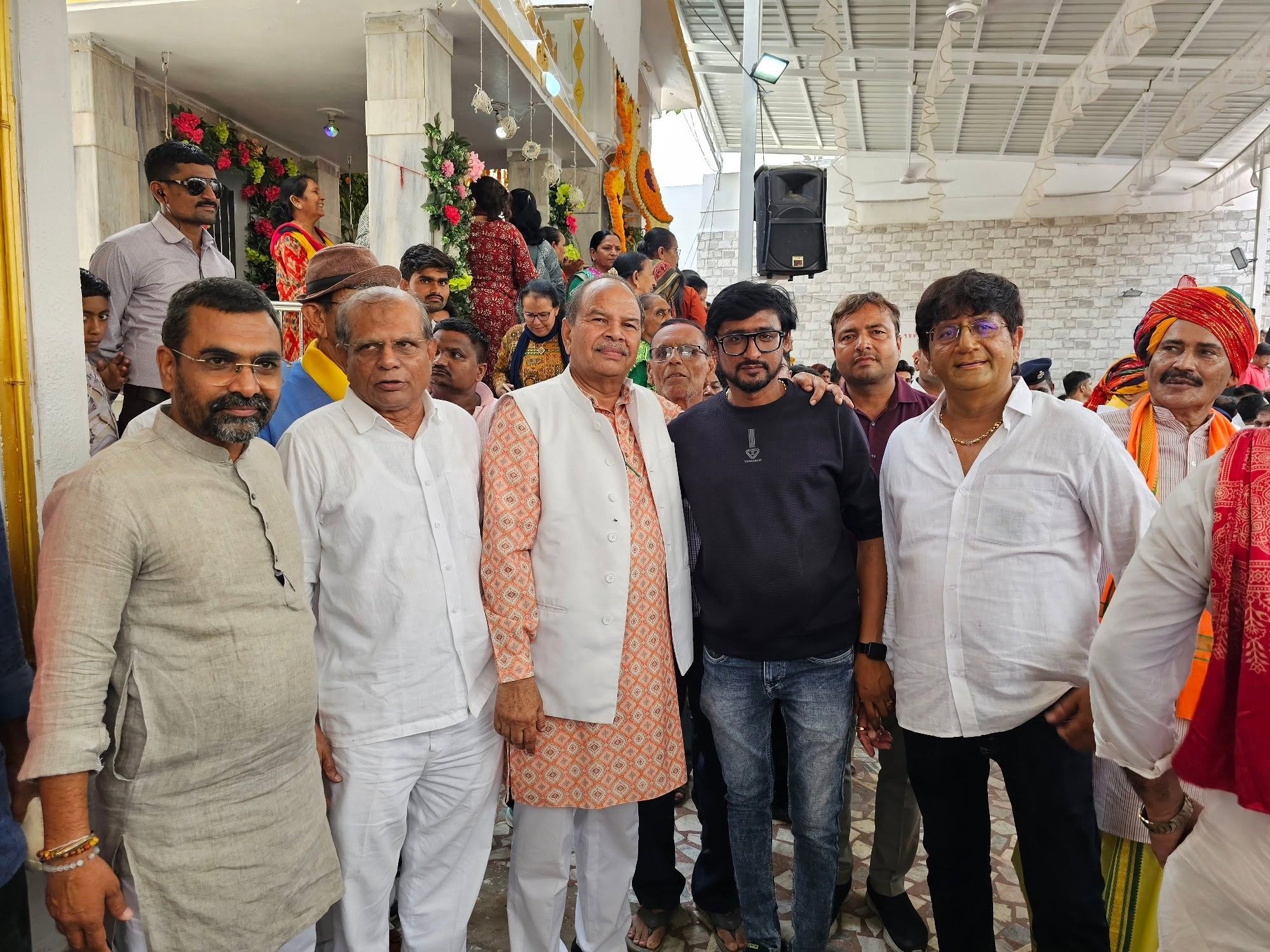
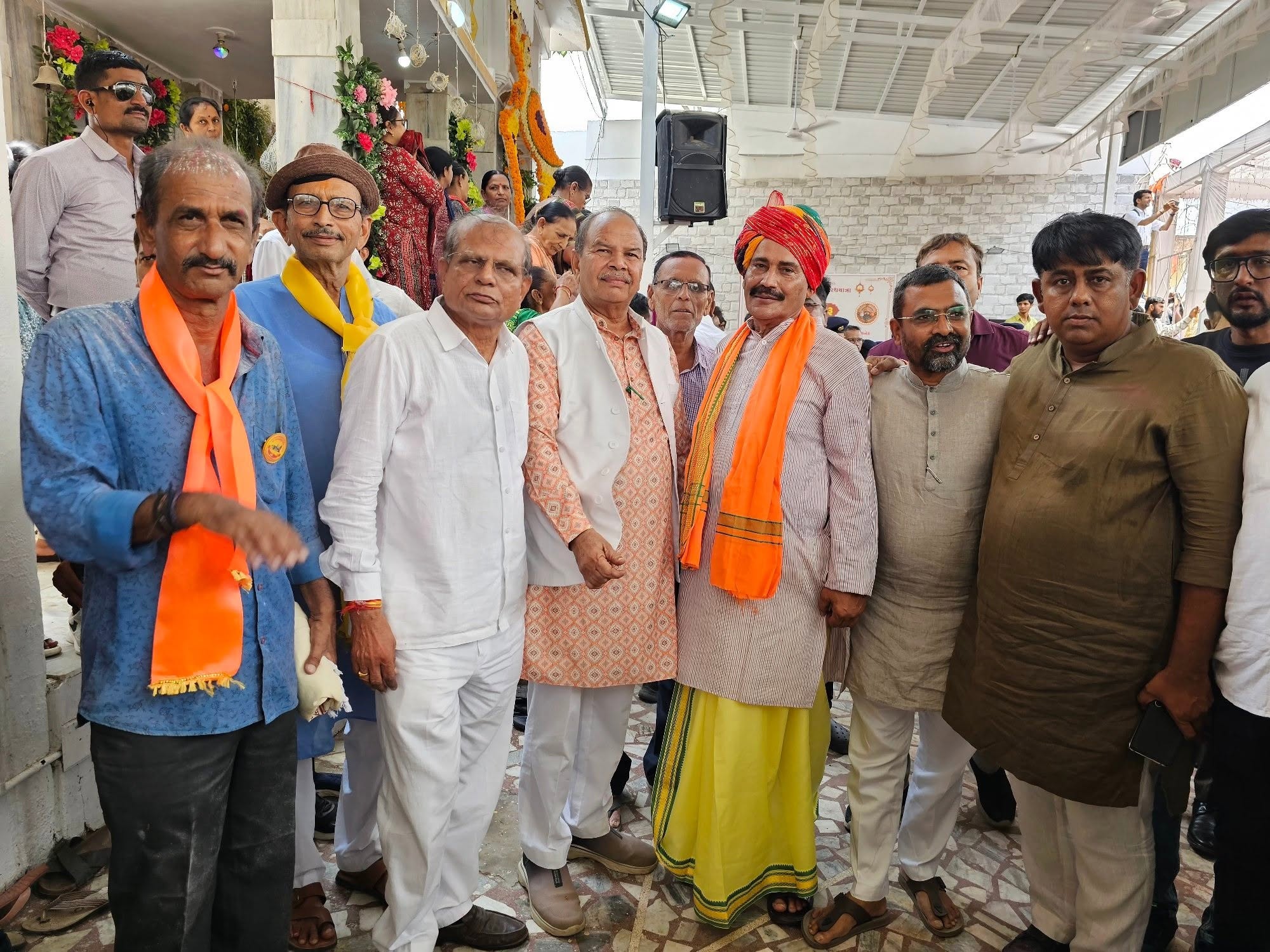
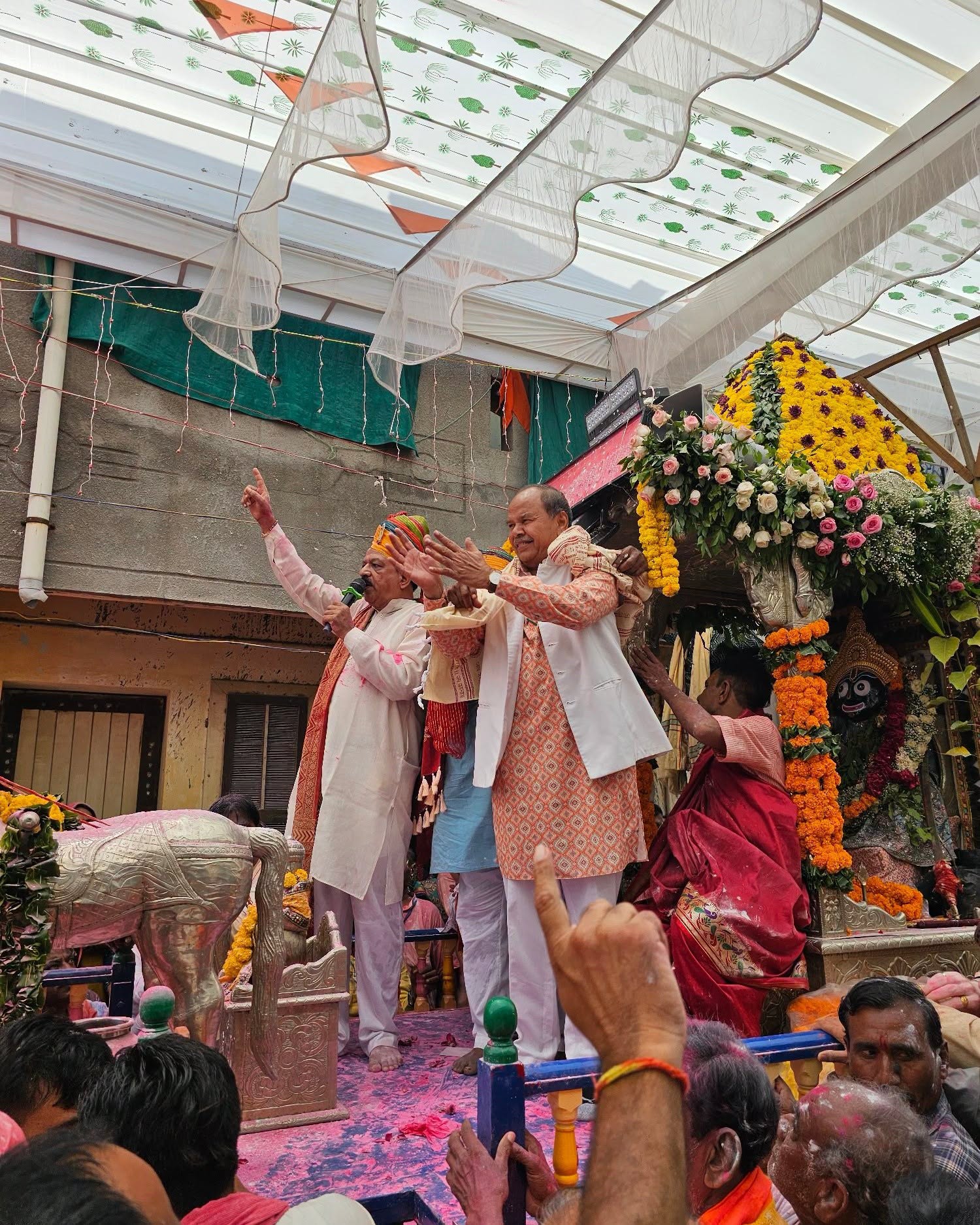
Religious and community institutions carry a great deal of the region’s social calendar. Temple committees, community trusts, youth groups and women’s self-help collectives organise festivals, education support, health camps and relief work. A representative who wants to reach a village reliably works through these bodies rather than around them.
Migration is a live pressure. Young people leave for Ahmedabad, Mehsana, Gandhinagar and beyond in search of education and work, and the constituency loses skills it has itself paid to build. Reversing that requires opportunity at home — which is why skill training, local enterprise and higher-education access appear so consistently on the development agenda.
Women’s participation is changing the region quietly and substantially. Self-help groups, cooperative membership and dairy income have altered decision-making inside households in ways that no scheme document fully captures.
Development priorities
These are not aspirations. They are the standing items on which every review meeting, delegation and written representation in this constituency eventually converges.
Groundwater recharge, canal branch extension, check dams, farm ponds and the shift to drip and sprinkler irrigation. In a constituency like Kheralu, water policy is income policy.
Village approach roads and taluka link roads that survive the monsoon, together with rail and bus connectivity that determines how far a student, a patient or a trader can realistically travel.
Classrooms, laboratories and upper-primary and secondary provision close enough to a village that a girl’s education is not decided by the distance to the school.
Primary health centres and sub-centres with the sanctioned staff actually in place, referral transport that arrives, and specialist care that does not require a full day of travel.
Procurement, market access, storage, animal husbandry support and the cooperative structures that turn a small surplus into a monthly income.
Drinking water, drainage, street lighting, community halls, and the delivery of pension, housing and assistance entitlements to the households they were designed for.
Public engagement
Engagement is not an event. It is a set of routines that make it possible for an ordinary citizen to place a matter on the record.
01
Direct meetings with citizens, village committees and delegations remain the primary channel. Most matters that reach a written representation begin as a conversation on a village road.
02
Applications and grievances are recorded and, where they need government action, converted into a written representation addressed to the competent authority — with the file, the sanction and the stage named.
03
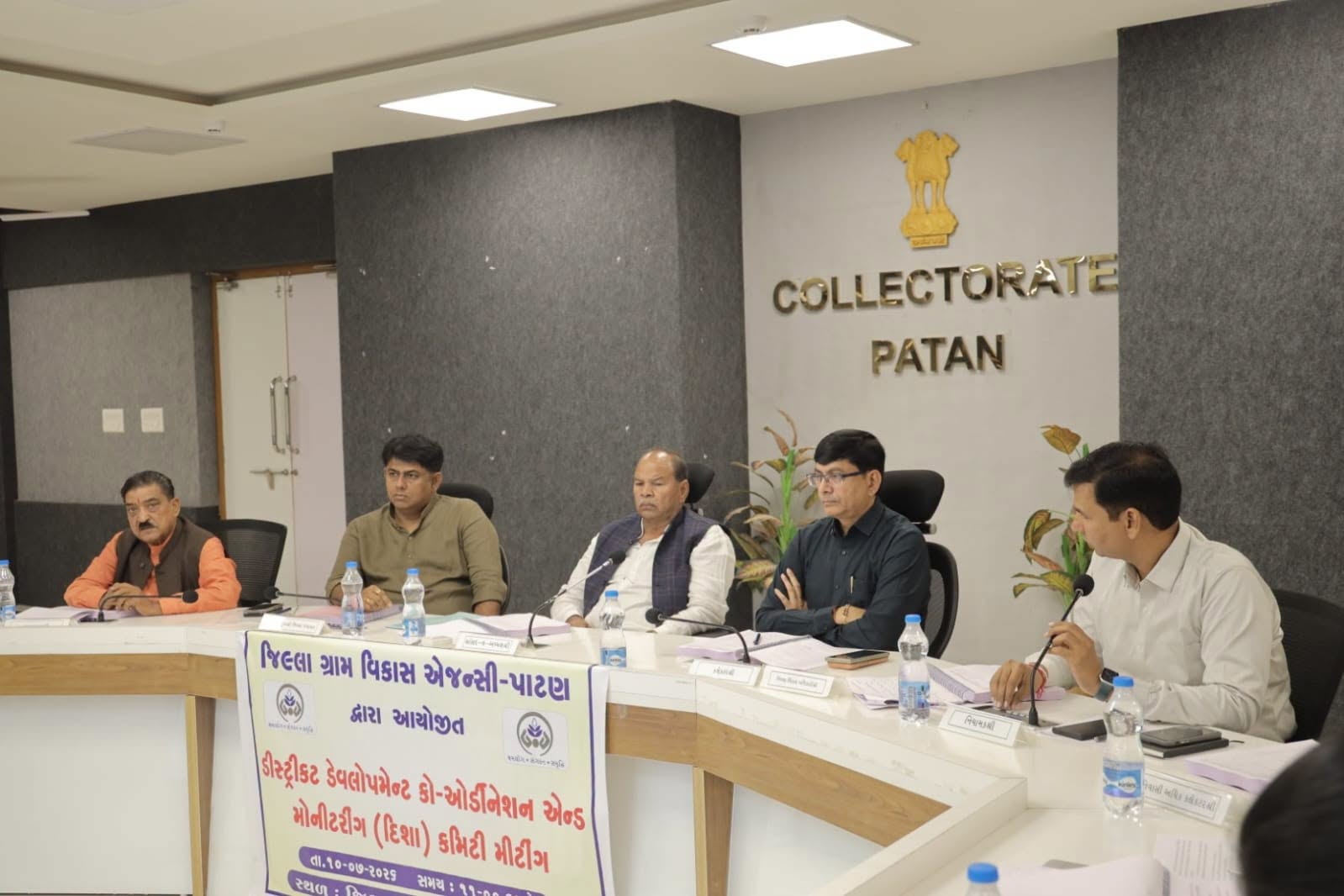
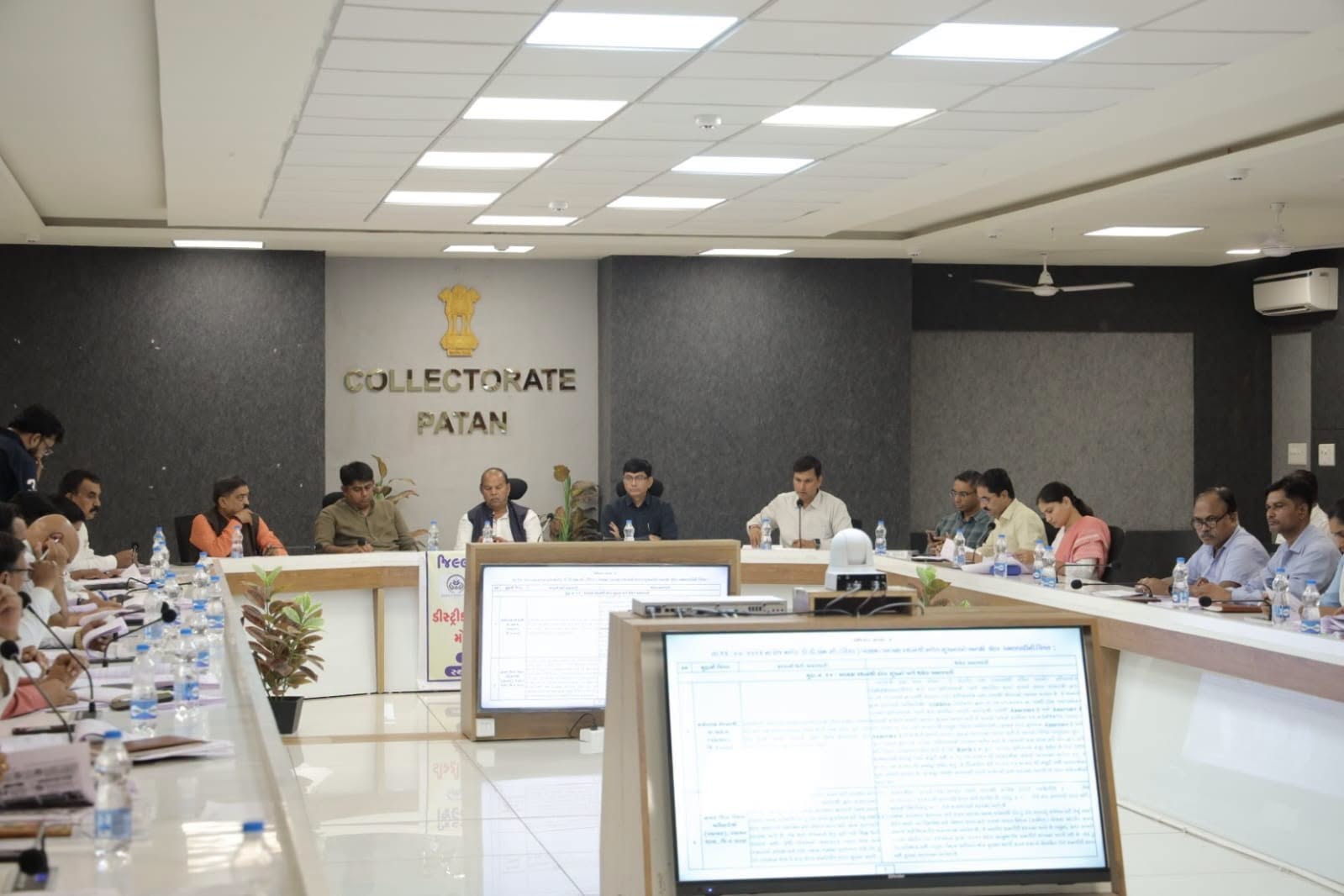
District development coordination and monitoring committee meetings, taluka-level reviews and departmental hearings are used to examine scheme implementation with village-wise figures rather than aggregates.
04
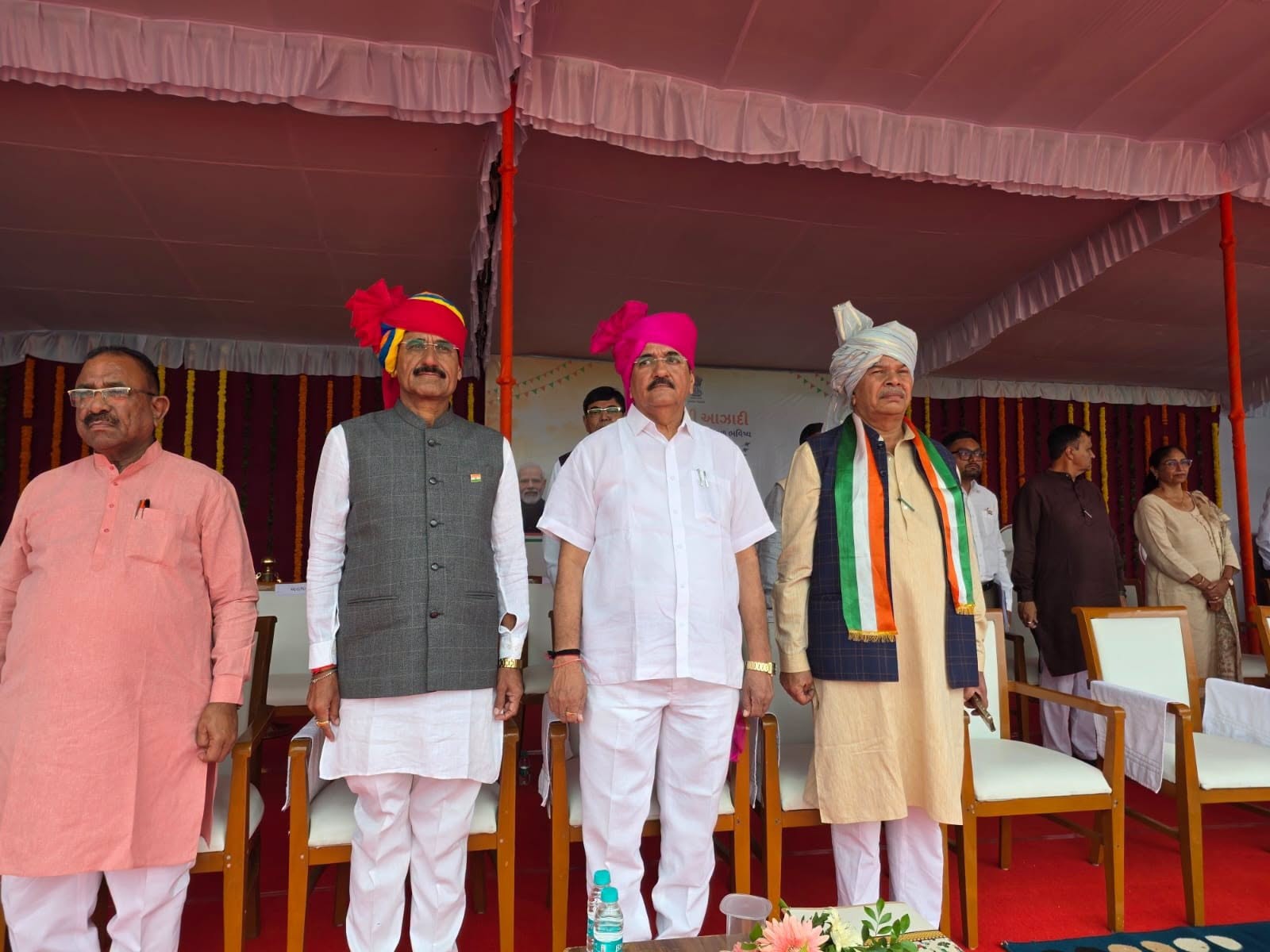
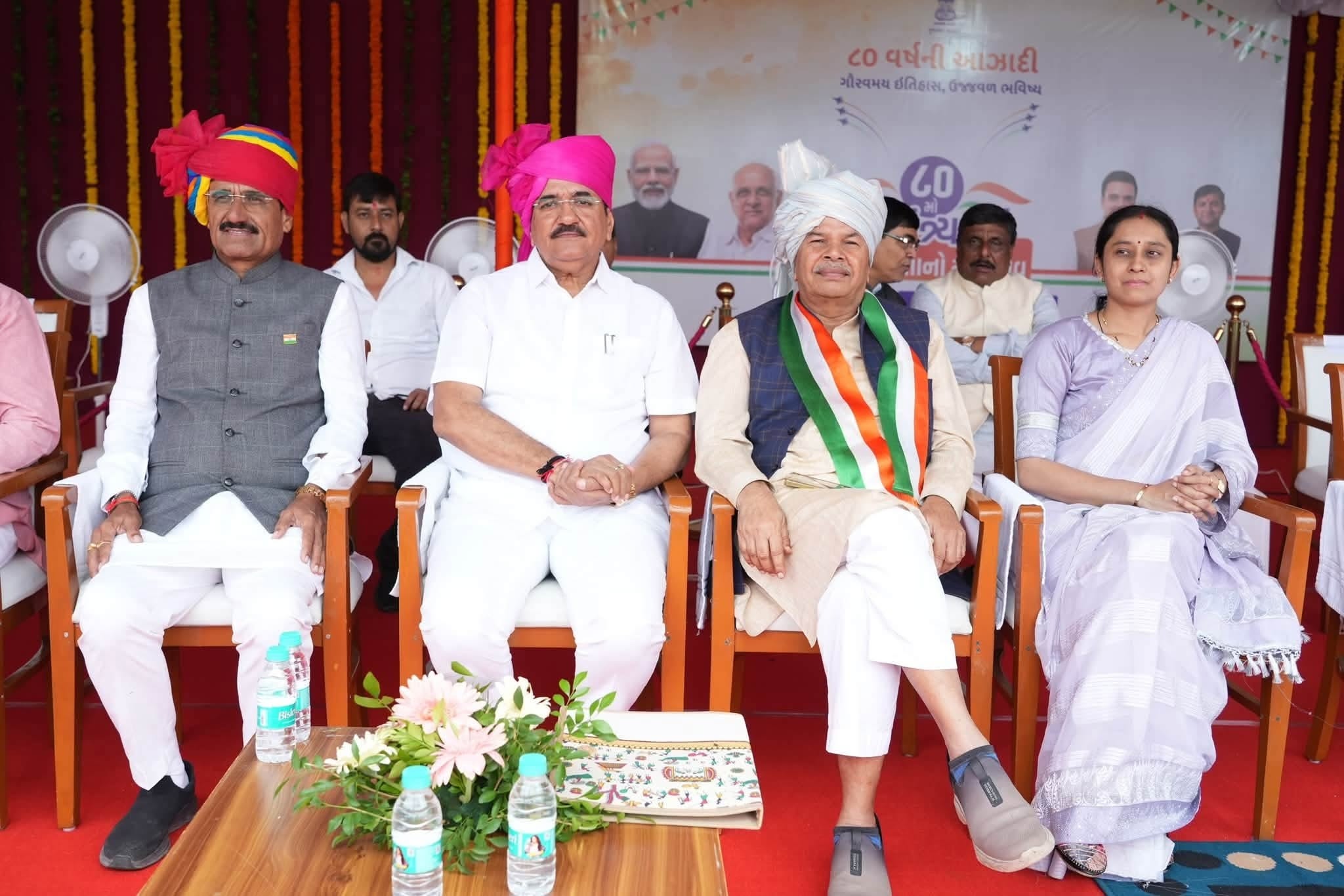
Independence Day observances, Har Ghar Tiranga, the International Day of Yoga, temple and community occasions, and the inauguration of new facilities are also working occasions: they are where people raise matters that never make it to an office.