Infrastructure
Roads that hold through the monsoon, rail connectivity that widens practical reach, reliable power and drinking water, and digital connectivity in every village.
Vision and priorities
What Kheralu and North Gujarat need from the next ten years — set out as commitments that can be checked, not slogans that cannot.
01
Commitments already made matter more than new ones. The priority is completing what is sanctioned, staffing what is built and maintaining what is completed.
02
A young person should be able to build a career within the district. Skills, higher education access and local enterprise decide whether that is possible.
03
Development that reaches the largest villages first is not development. The measure is what happens in the smallest hamlet and the poorest household.
Governance
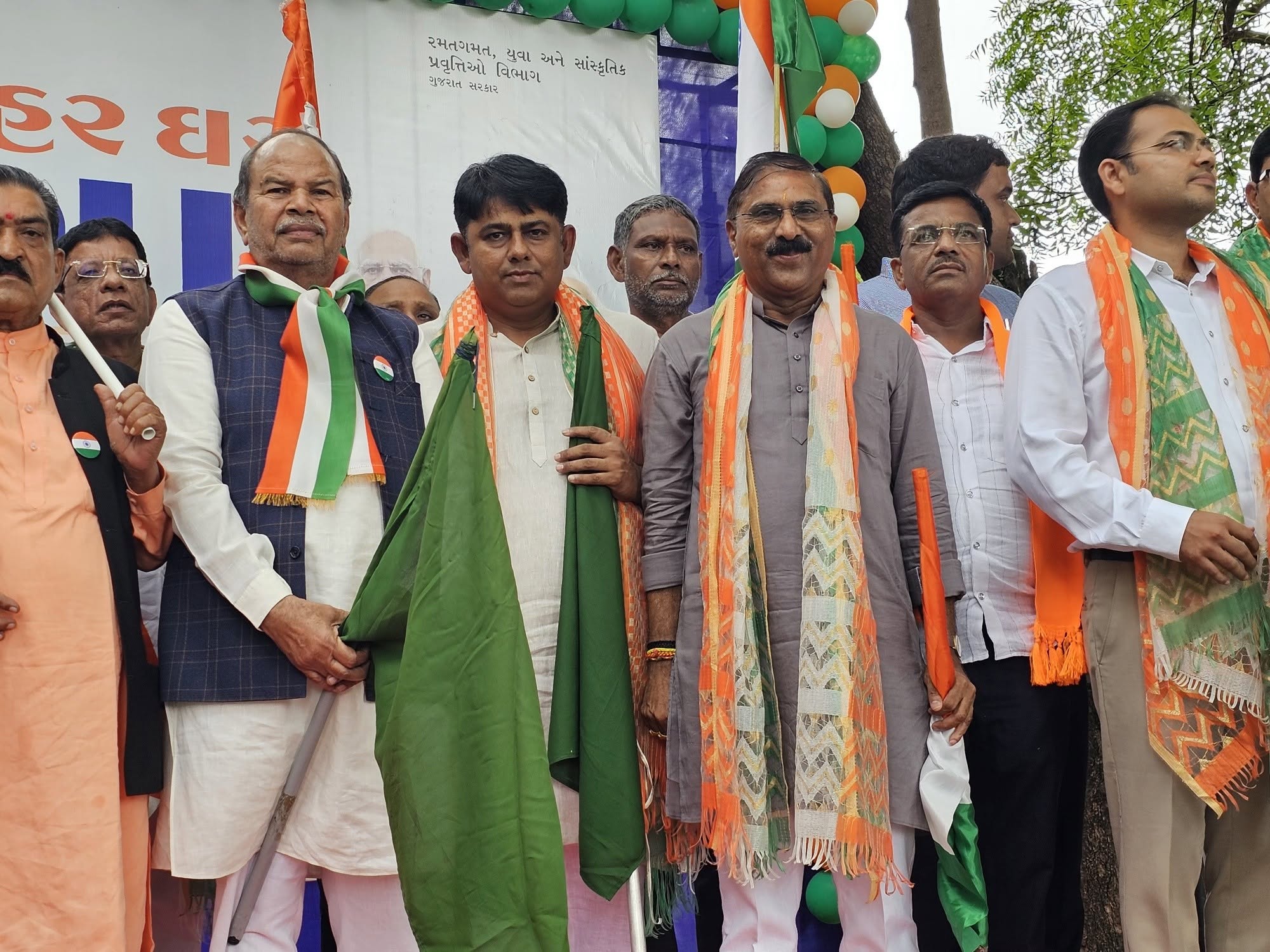
Good governance in a rural constituency is not an abstraction. It is measured in how many visits a certificate takes, how long a pension correction sits in a queue, and whether a citizen needs to know somebody to be heard.
The priority is a public office that receives, records and responds — where every application has a written trail, every applicant is told the outcome, and repeated failures are treated as a system problem rather than a series of unfortunate individual cases.
That extends to how development itself is planned. Village-wise data rather than district aggregates, published progress on sanctioned works, and review forums used to examine implementation rather than to record attendance.
Youth
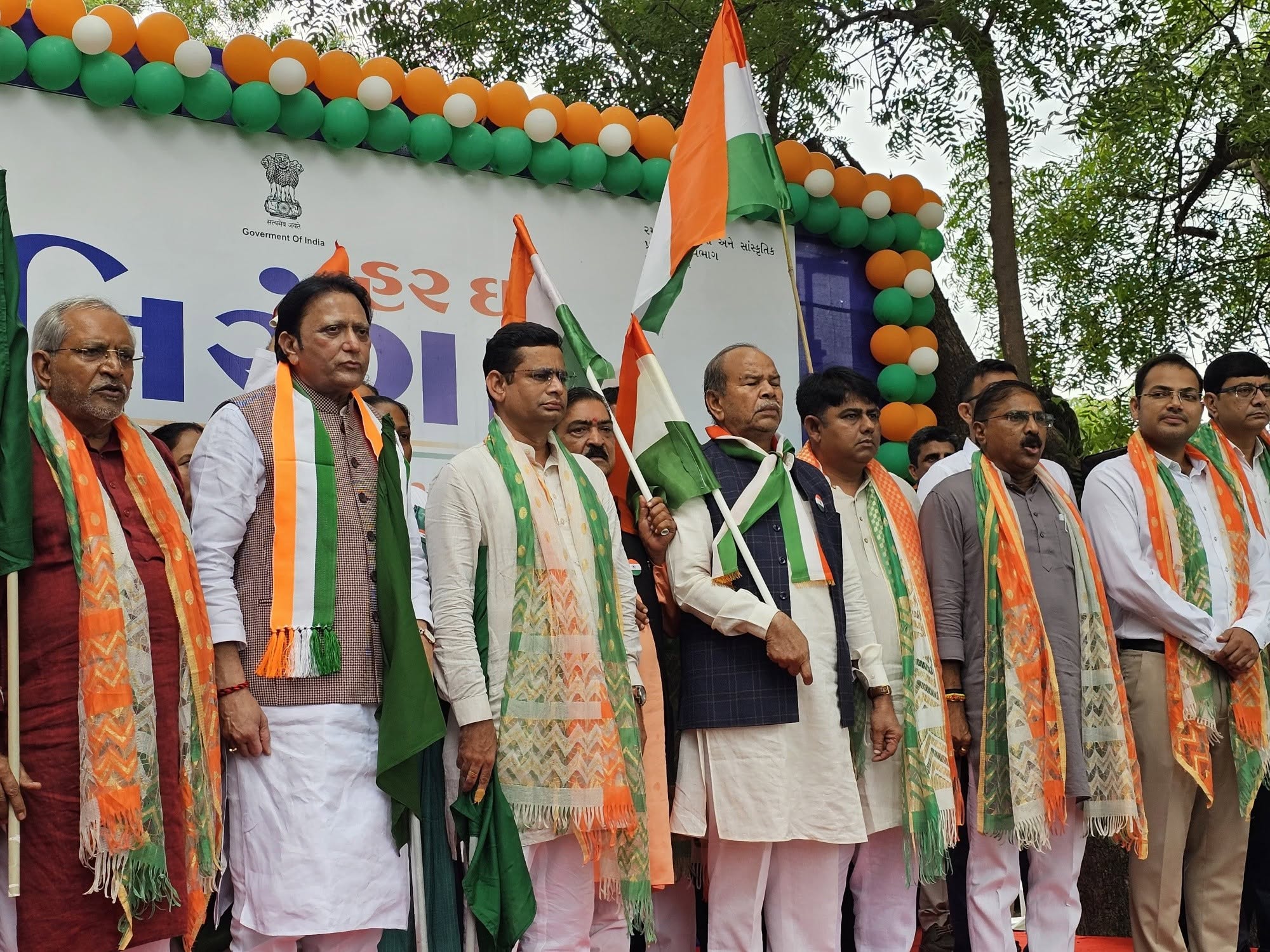
Every year, this region educates young people and then exports them. Ahmedabad, Gandhinagar, Surat and cities further afield absorb the ambition that Kheralu paid to build. Some migration is healthy; migration as the only option is not.
Reversing it needs three things at once: training that matches actual demand, higher education that is reachable from a village, and enterprise that can start locally without waiting for a large industrial investment to arrive.
Sport, cultural activity and public programmes matter here too — not as decoration, but because a district that gives young people a place to belong retains more of them.
Women
The most significant social change in this region over the past two decades has been economic: dairy income and self-help group credit reaching women directly. It has altered household decision-making more than any single scheme.
The task now is to extend that logic. Cooperative membership and leadership positions, not only membership on paper. Health services designed around when women can actually attend. Transport and lighting that make an evening class or a late shift a realistic option. Girls’ education that is not cut short by the distance to a secondary school.
Safety is part of the same agenda. Street lighting, reliable transport and responsive local administration are what make participation possible in practice.
Farmers
For a farming household in this belt, the single largest determinant of income is water — how much is available, how reliably, and at what cost to extract. Every other agricultural intervention works better when this one is addressed.
Alongside it sits the dairy economy, which pays regularly and cushions a bad crop year, and market access, which decides whether a good harvest translates into a good price. These three have to move together.
Inclusive development
Infrastructure, education, healthcare and social inclusion are not separate programmes. They are the same commitment applied to four different parts of a household’s life.
Roads that hold through the monsoon, rail connectivity that widens practical reach, reliable power and drinking water, and digital connectivity in every village.
Provision within reach, buildings and laboratories that work, teachers in post, and scholarship delivery that does not stall in transit.
Sub-centres and primary health centres that are open, staffed and stocked, referral transport that arrives, and specialist access without a day’s journey.
Entitlements reaching the elderly, widows, persons with disabilities and the poorest households — measured by what arrives, not by what is sanctioned.
None of this is unusual or ambitious. It is the ordinary business of representative government, done consistently for long enough to become visible.