About Bharatsinhji Dabhi

A public life built close to the ground

A representative from Kheralu in Mehsana district — three terms in the Gujarat Legislative Assembly, and a working method rooted in the villages, cooperatives and market towns of North Gujarat.

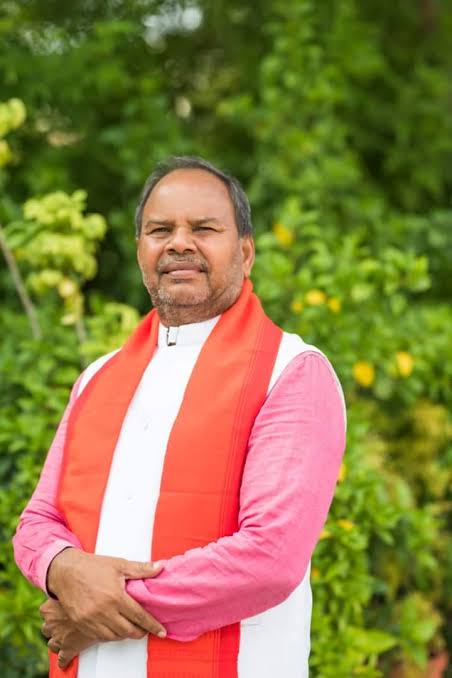
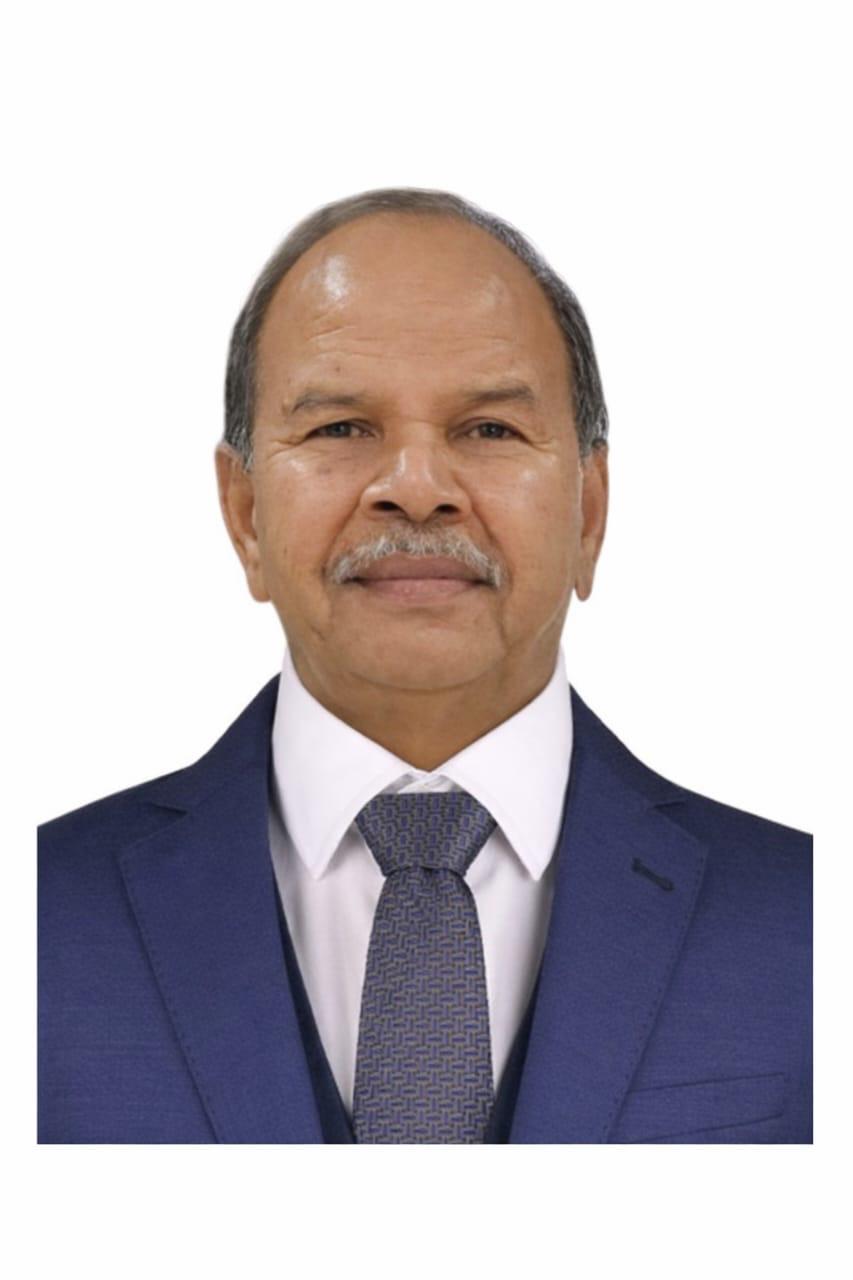
Formal portrait of Bharatsinhji Dabhi
Formal portrait provided by the office.

Biography

Bharatsinhji Dabhi

Bharatsinhji Dabhi is a public representative associated with the Kheralu constituency in Mehsana district, Gujarat. He has served as a Member of the Gujarat Legislative Assembly across multiple terms, including the 12th, the 13th and the 14th Assemblies, representing Kheralu through each of them.

Kheralu is a constituency of the North Gujarat plain — an agrarian belt where household income is built from small landholdings, dairy cooperatives and the trading and manufacturing units clustered around its market towns. Representation here is less about position than about proximity: knowing which village road washes out first, which school is short of a section, which sub-centre has been without a doctor for two seasons, and which family has been waiting on a pension file since last winter.

That has shaped a way of working which is consistent across terms. Constituency demands are converted into written representations addressed to the department that can actually act; issues that recur across villages are raised as questions of policy rather than as isolated grievances; and district-level review and monitoring forums are treated as working meetings rather than ceremonial ones.

The role has also carried the ceremonial and civic responsibilities that come with public office — Independence Day observances, national campaigns such as Har Ghar Tiranga, the International Day of Yoga, the inauguration of new public facilities, and the temple and community occasions through which a constituency marks its own calendar. The photographs published on this website document that ongoing schedule.

Constituency
Kheralu, Mehsana District, Gujarat
Region
North Gujarat
Assembly service
12th, 13th and 14th Gujarat Legislative Assembly
Focus
Water, connectivity, education, health, agriculture and welfare
Early life and background

The place that formed the politics

To understand a representative from Kheralu, it helps to understand the country around it. This is the plain of North Gujarat, between the Sabarmati and the Rupen — flat, hard-worked land where the water table has fallen through living memory, where a family of five may farm four bighas, and where the difference between a good year and a difficult one is often a fortnight of rainfall.

It is also a landscape of institutions. The village milk society, the cooperative credit body, the primary school, the panchayat and the taluka office together form the machinery through which a household actually experiences the state. A person who grows up here learns the working of those institutions long before learning the vocabulary of politics.

The social fabric is dense and old. Kinship networks run across villages; obligations are remembered; a public figure is judged by whether they attended a funeral, not only by whether they attended a rally. This is a constituency where reputation is built slowly, in person, and where it can be lost in a single unreturned phone call.

The wider region carries its own weight of history. The Jain temple complex on Taranga Hill rises to the north-east; the ancient town of Vadnagar lies a short drive away; the Sun Temple at Modhera stands to the south-west. Living among these is a quiet reminder that the region has been organised, governed and rebuilt many times before — and that public office is a temporary custodianship of something much older.

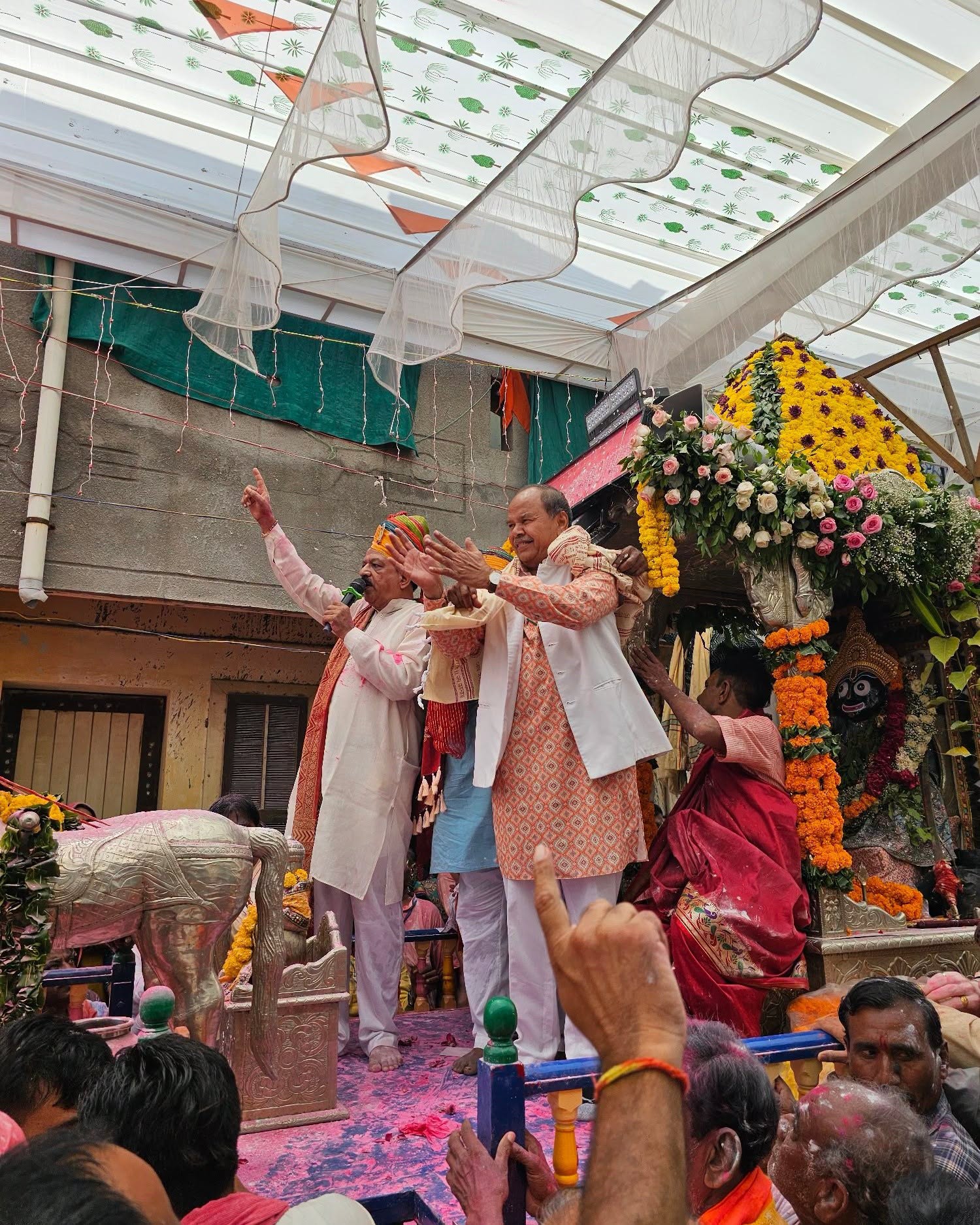
Bharatsinhji Dabhi participating in a Rath Yatra procession with the community
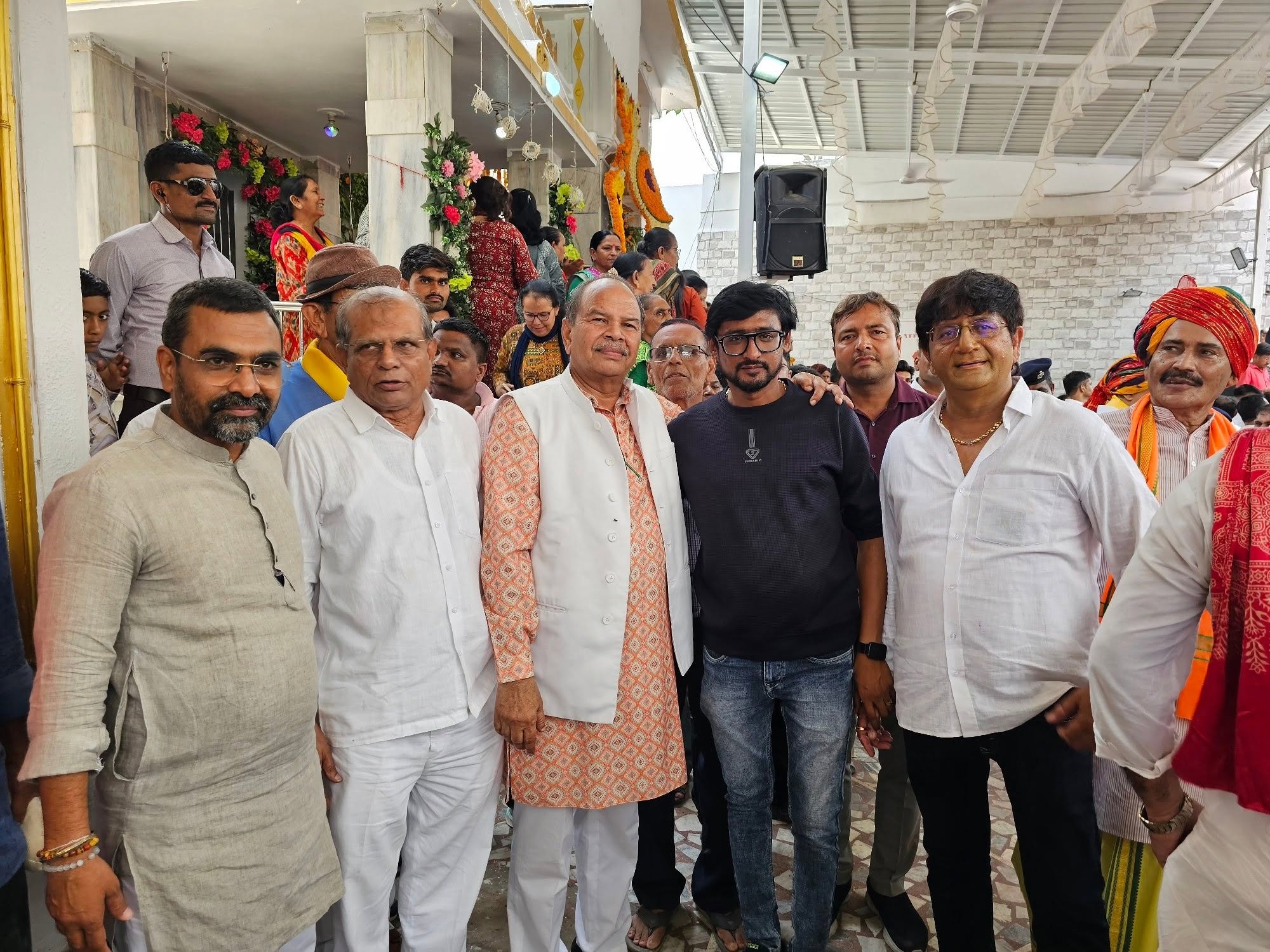
Bharatsinhji Dabhi with residents at a temple gathering

A note on personal details

This website publishes only information that can be verified. Dates of birth, family details, educational background and similar personal particulars are not stated here because they have not been confirmed for publication by the office. They will be added to this page as soon as they are.

Personal journey

What a representative actually accumulates

Terms in office are the visible part. The part that decides whether a term is useful is accumulated quietly, over years.

Local knowledge

The map that no department holds: which hamlet is cut off when the seasonal stream runs, which stretch of road is disputed between two agencies, which school building was declared unsafe and when. This knowledge cannot be briefed; it is walked.

  • Village-level familiarity across the constituency
  • Institutional memory of pending works
  • Direct contact with panchayat and cooperative office-bearers

Administrative fluency

Knowing which desk holds which sanction, what a proposal must contain to survive scrutiny, and where in the annual cycle a demand has to be placed if it is to be funded rather than noted.

  • Written representations addressed to the competent authority
  • Use of review and monitoring forums at district level
  • Follow-through after the meeting, not only at it

Public trust

The willingness of a citizen to bring a problem forward at all. It is earned by returning to people with an honest answer, including when the answer is that nothing further can be done.

  • Accessibility in person and by telephone
  • Consistency of response regardless of who is asking
  • Presence at community occasions, not only at official ones

Continuity

A long association with one constituency allows work to be planned in phases rather than in announcements, and allows a representative to be held to what was promised in a previous term.

  • Three assembly terms representing the same constituency
  • Multi-year view of infrastructure and welfare needs
  • Accountability across terms, not only within one
Bharatsinhji Dabhi photographed outdoors in the constituency
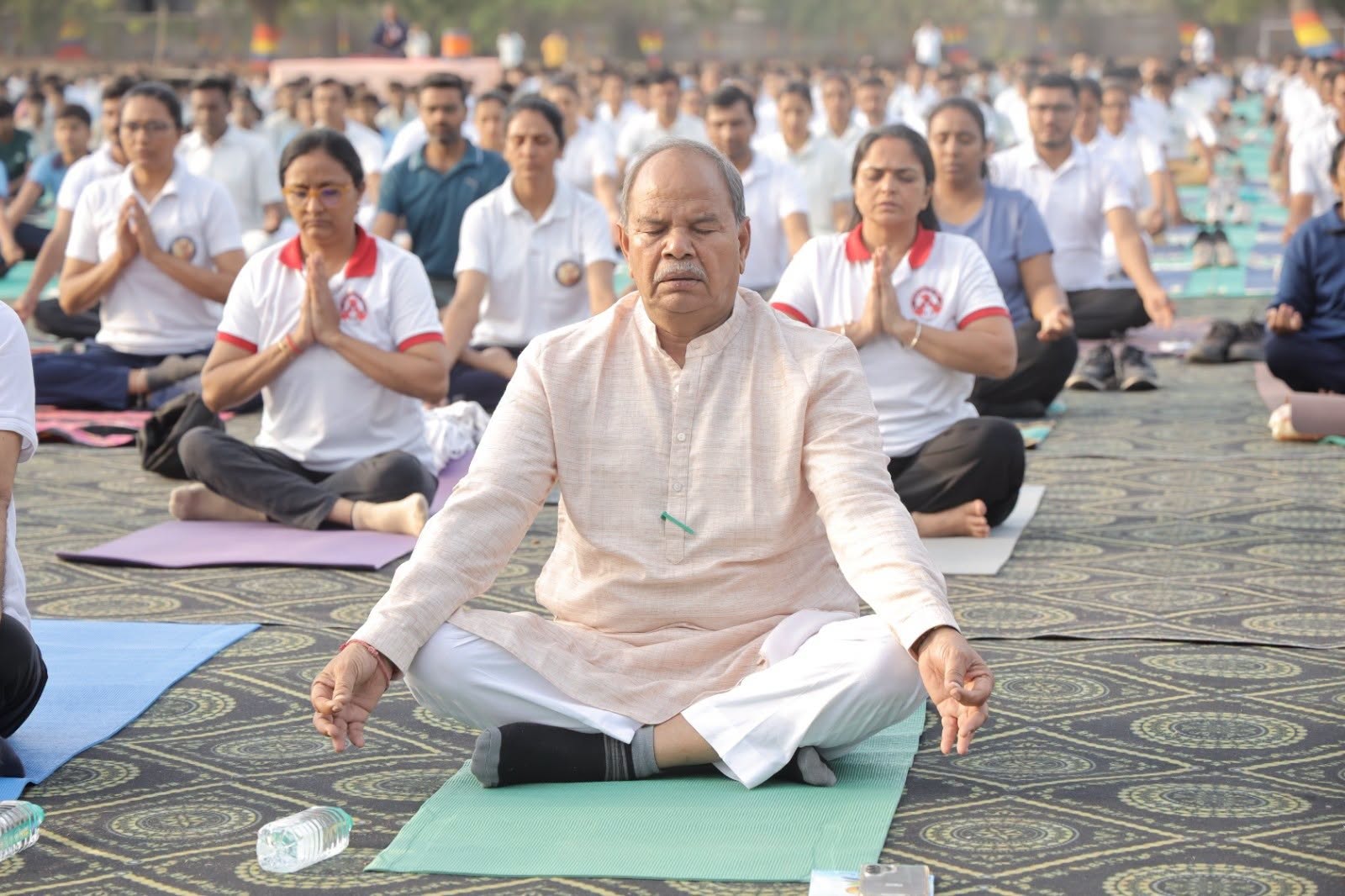
Bharatsinhji Dabhi participating in a mass yoga session on the International Day of Yoga

Public values

Six commitments that govern the office

01

Accessibility

A citizen should not need an introduction to be heard. The office answers letters, calls and visitors from across the constituency and beyond.

02

Honesty about limits

Not every request can be met. Saying so plainly, and explaining why, is more useful to a family than an indefinite assurance.

03

Written follow-through

Verbal support closes no file. Demands are recorded, addressed to the competent authority in writing, and pursued until an outcome is on record.

04

Equal treatment

The response to a request does not depend on the standing, community or political affiliation of the person making it.

05

Respect for institutions

The panchayat, the cooperative, the school committee and the district administration are partners in delivery, not obstacles to be bypassed.

06

Long-term work

Water, education and health outcomes move over decades. Work is planned on that horizon, even when the electoral cycle is shorter.

Public office in a rural constituency is not a platform. It is a working desk between a citizen and an administration, and its usefulness is decided entirely by how reliably it is staffed.