01
Questions
A starred or unstarred question forces a department to put an answer on record. For a constituency, a single accurate question about vacancies, sanctioned works or scheme coverage can achieve what months of correspondence cannot.
Political journey
A path that runs through organisational work, local institutions and three terms representing Kheralu in the Gujarat Legislative Assembly.
Entry into public life
In North Gujarat, no one arrives in public life from the outside. The route runs through the institutions that already organise village society: the milk cooperative and its committee, the credit society, the school management committee, the panchayat, and the party organisation at booth and taluka level.
Work of this kind is unpaid, unglamorous and almost entirely invisible outside the villages where it happens. It consists of accompanying a farmer to the taluka office, drafting an application on someone’s behalf, arranging transport for a patient at two in the morning, mediating a boundary dispute before it reaches a court, and turning up at the funerals and the weddings alike.
It is also the only reliable apprenticeship for elected office. By the time a candidature is discussed, the constituency already knows whether a person answers the phone. That judgement, formed over years, is what an election ultimately records.
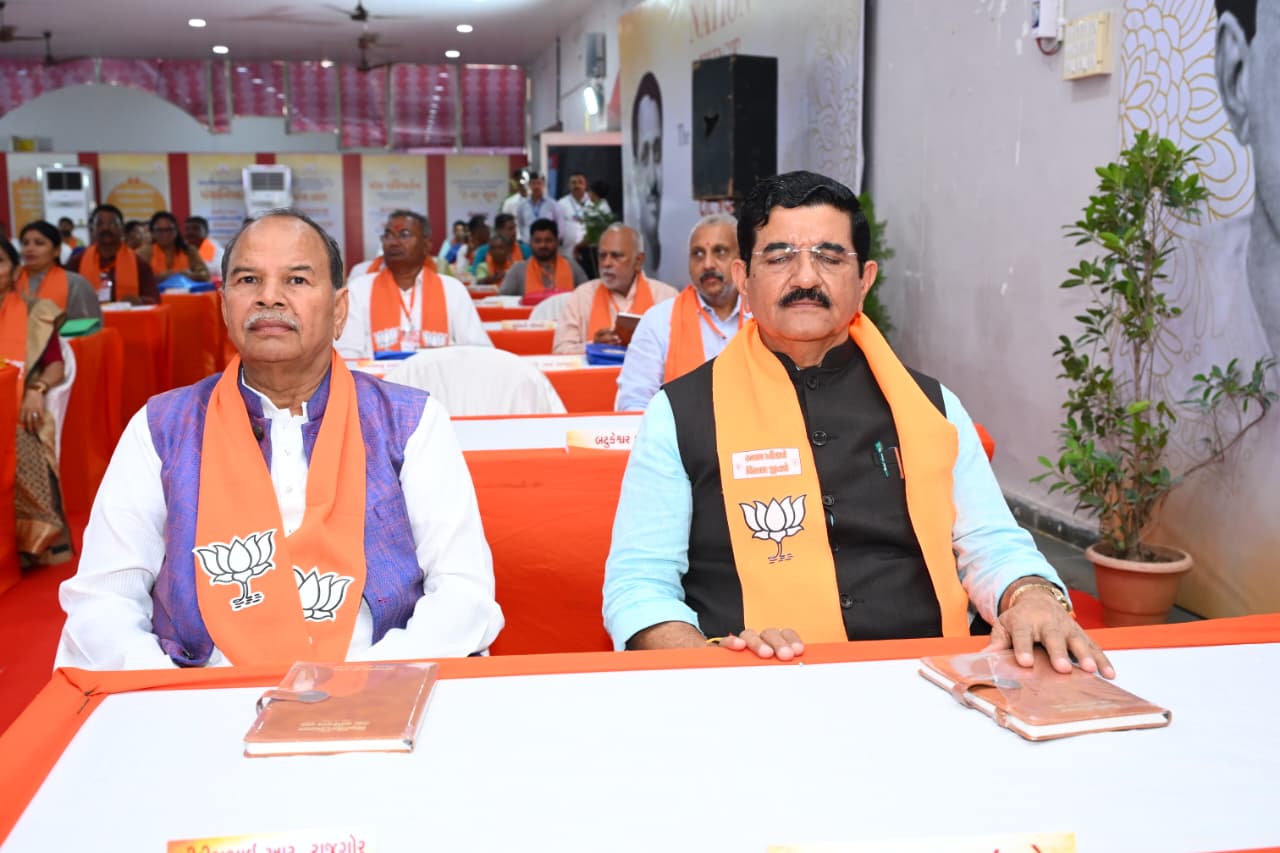
Party organisational work adds a second layer: the discipline of a structure, exposure to policy beyond one’s own village, and responsibility for outcomes across a wider area than a single panchayat. The conventions, review meetings and cadre gatherings that fill an organisational calendar are where a local worker learns to think at constituency scale.
Legislative journey
A legislator’s usefulness is not measured in speeches. It is measured in the number of times the machinery of the House was used correctly on behalf of people who will never read the proceedings.
01
A starred or unstarred question forces a department to put an answer on record. For a constituency, a single accurate question about vacancies, sanctioned works or scheme coverage can achieve what months of correspondence cannot.
02
The bulk of constituency work leaves the House as letters — to state departments, to district administration and, where the subject is central, to Union Ministers. A representation that names the sanction, the file and the competent authority moves; a general appeal does not.
03
Every constituency demand has a place in the annual cycle. Raising a road, a school building or a water work at the right stage of the budget discussion is the difference between a project being funded and being noted.
04
District-level development coordination and monitoring forums are where central and state scheme implementation is actually examined. Attendance is not the point; asking for the village-wise figure is.
05
Legislation passed in Gandhinagar is applied in villages of a few thousand people. A member from a rural constituency carries the obligation to say, on the record, how a proposed law will land there.
Assembly terms
Continuity of representation lets a constituency be worked in phases. Each term below carried a different centre of gravity.
2007–2012
A first term spent learning the machinery — which department controls which sanction, how demands become questions and representations, and how the budget cycle can be used to revive a long-pending local work.
2012–2017
A second term in which the emphasis moved from individual cases to recurring patterns: falling water tables, road maintenance cycles, rural teacher and doctor vacancies, and the delivery gap between announcement and household.
2017–2022
A third term carrying an accumulated constituency file — connecting roads still missing, schools needing upper-primary sections, understaffed sub-centres, and cooperative institutions strong enough to carry new programmes.
Representing Kheralu
Representation, in practice, means being the person who says the name of a village in a room where nobody else would have mentioned it. Much of that happens at meetings with state and central authorities, where a written case has to be made concisely and left behind on paper.
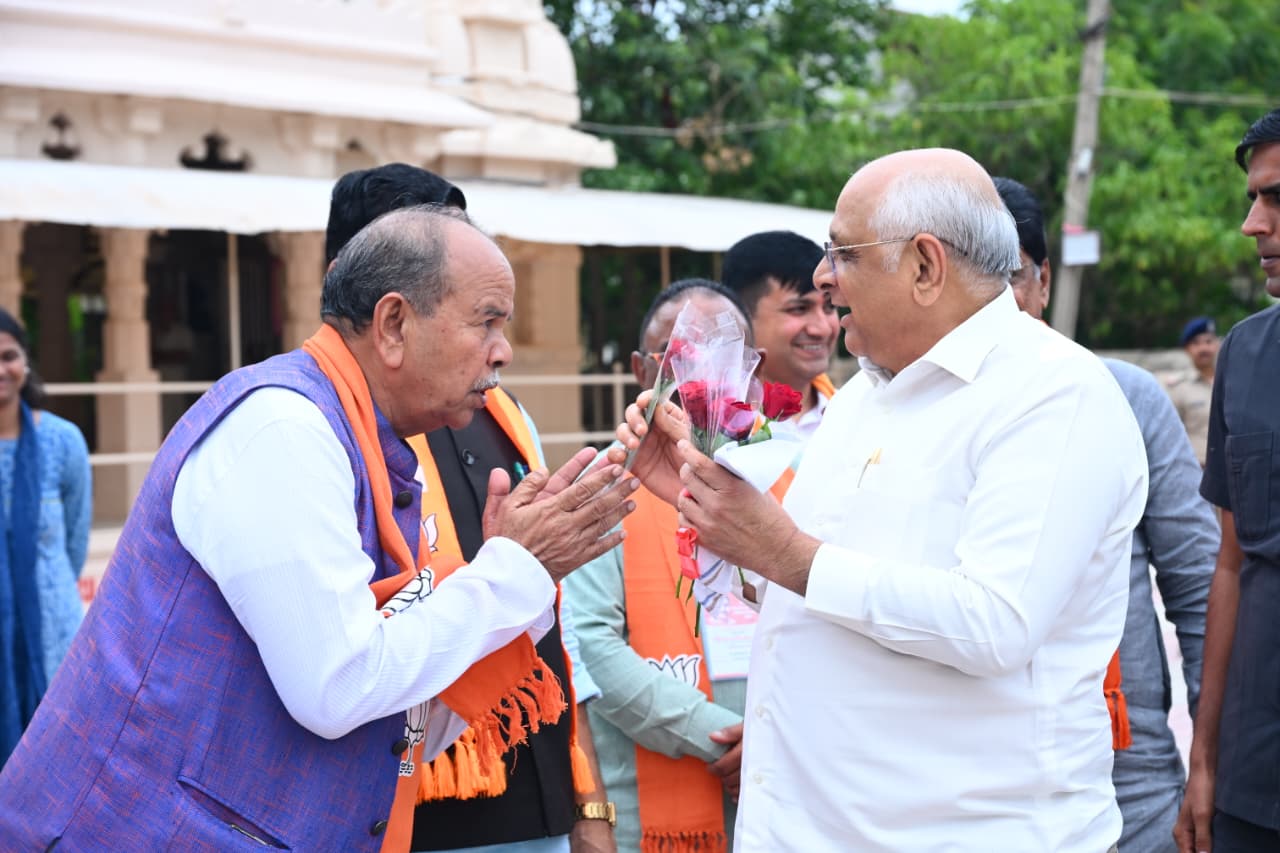
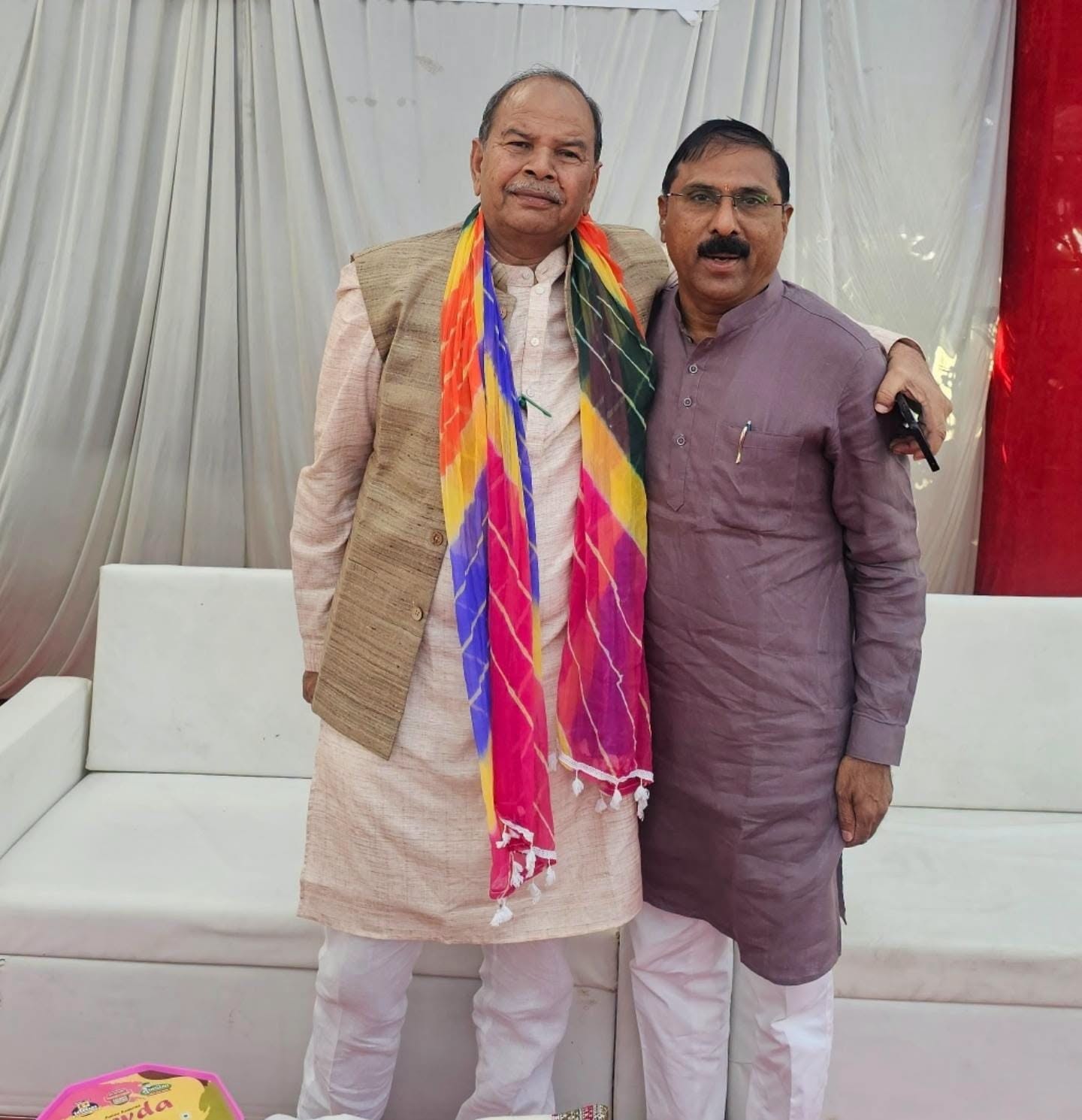
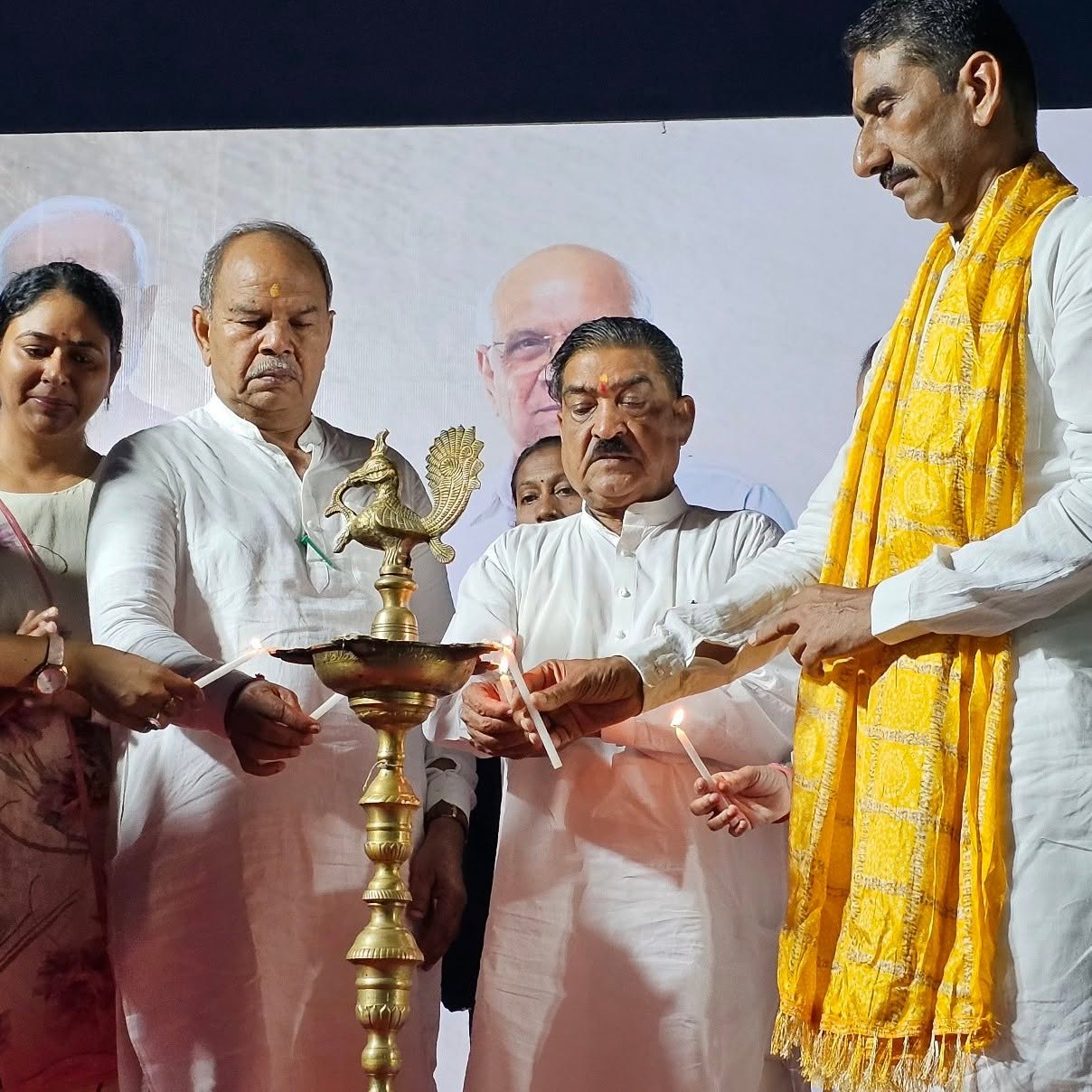
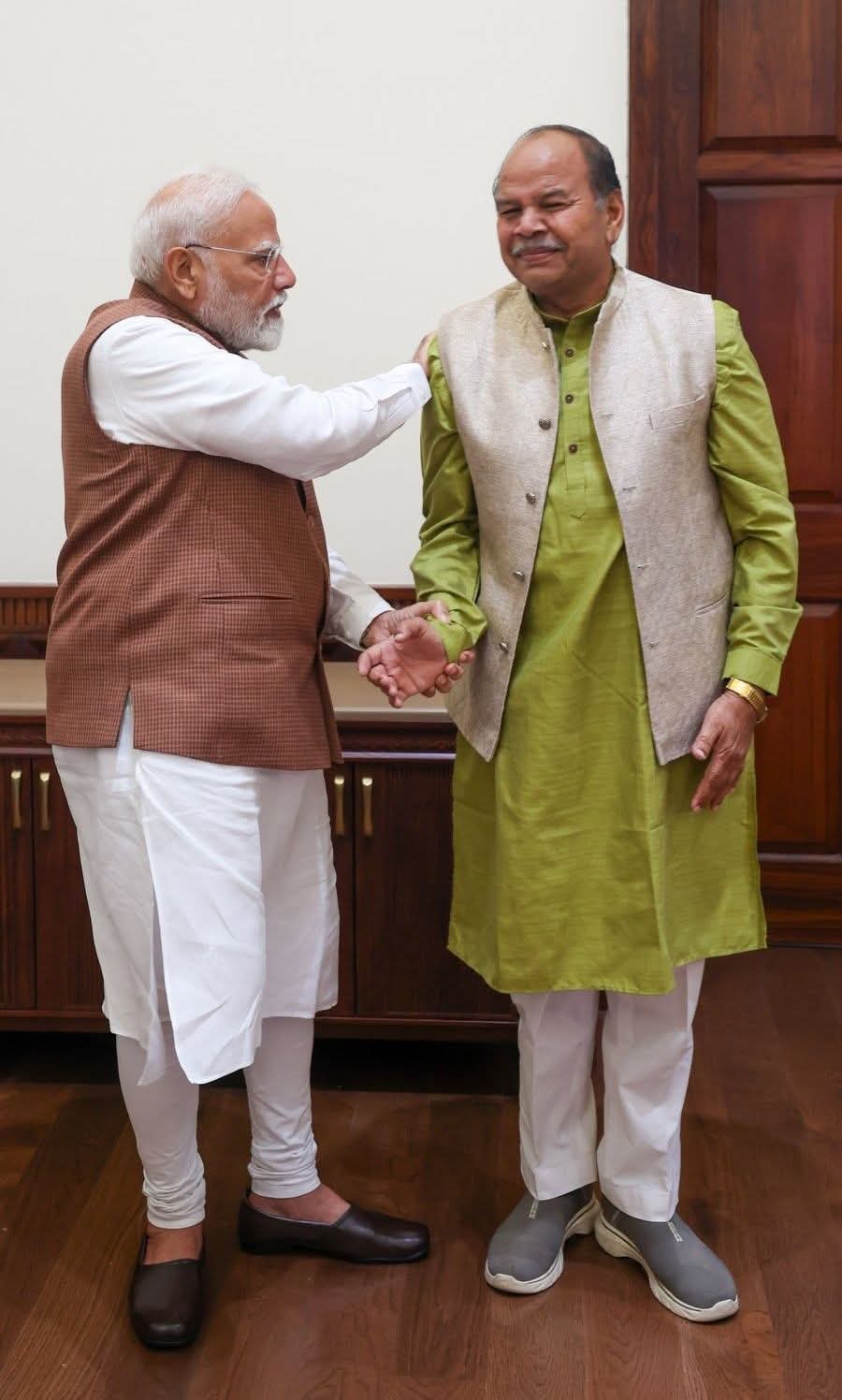
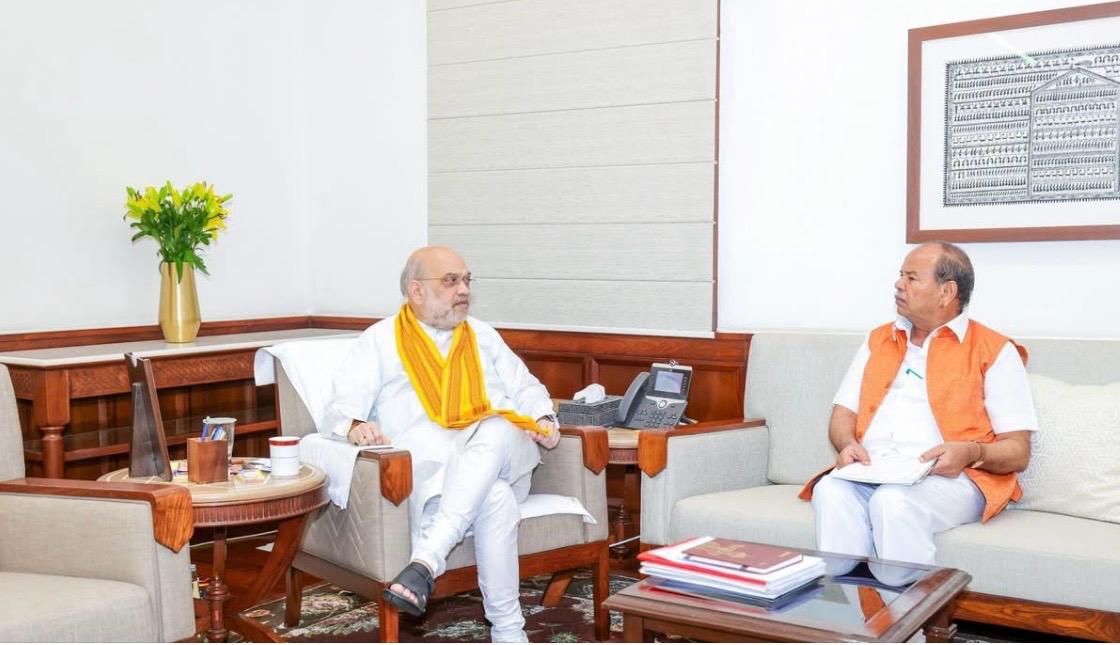
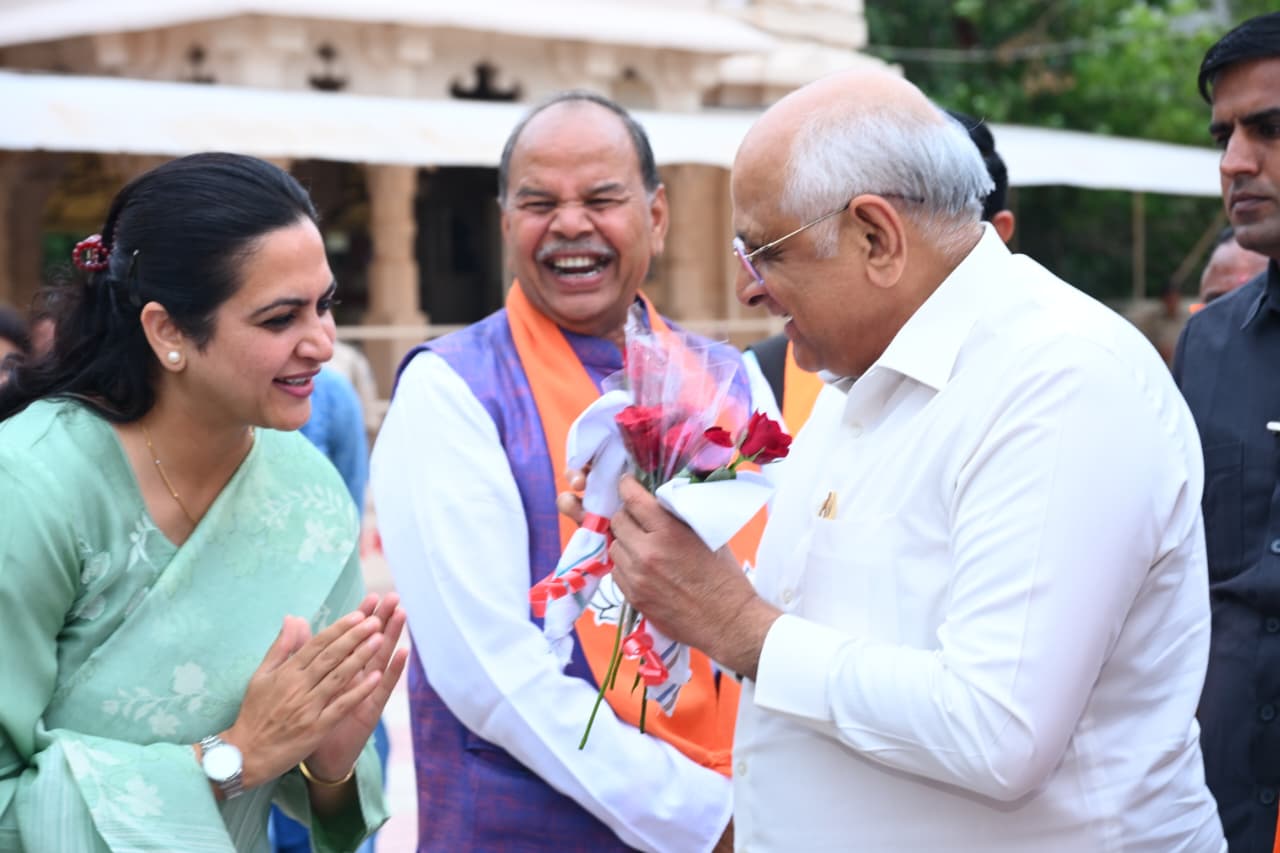
The photographs on this page and across the website document that side of the work: representations submitted to Union Ministers, discussions with senior leadership, and the district review forums where scheme implementation is examined line by line.
What matters in these meetings is preparation. A representative who arrives with a specific demand — the sanction number, the pending stage, the village-wise requirement — leaves with a decision. A representative who arrives with a sentiment leaves with a photograph.
On record