Water
Groundwater and irrigation
Declining water tables, canal branch extension, recharge structures and the coverage of micro-irrigation subsidies on small holdings.
Legislative work
Questions, representations, review forums and the daily correspondence through which a constituency’s requirements are placed on the government record.
Assembly participation
The Gujarat Legislative Assembly gives an elected member a small number of very effective instruments. Used well, they compel a department to state a position in public. Used carelessly, they produce a headline and nothing else.
A question tabled about a specific sanction, vacancy or scheme figure forces an answer onto the record — and a recorded answer is something a citizen can be shown, a district office can be asked about, and a later question can build on. This is the difference between raising an issue and pursuing one.
Budget discussion is the second instrument. Every demand from a constituency has a moment in the annual cycle when it can be placed. Raised at that moment, a proposal enters the department’s plan; raised at any other, it is recorded as a sentiment.
The third is participation in debate on legislation. Laws drafted in Gandhinagar are applied in villages of a few thousand people, and a member from a rural constituency carries an obligation to say, on the record, how a proposed provision will operate there.
Representation
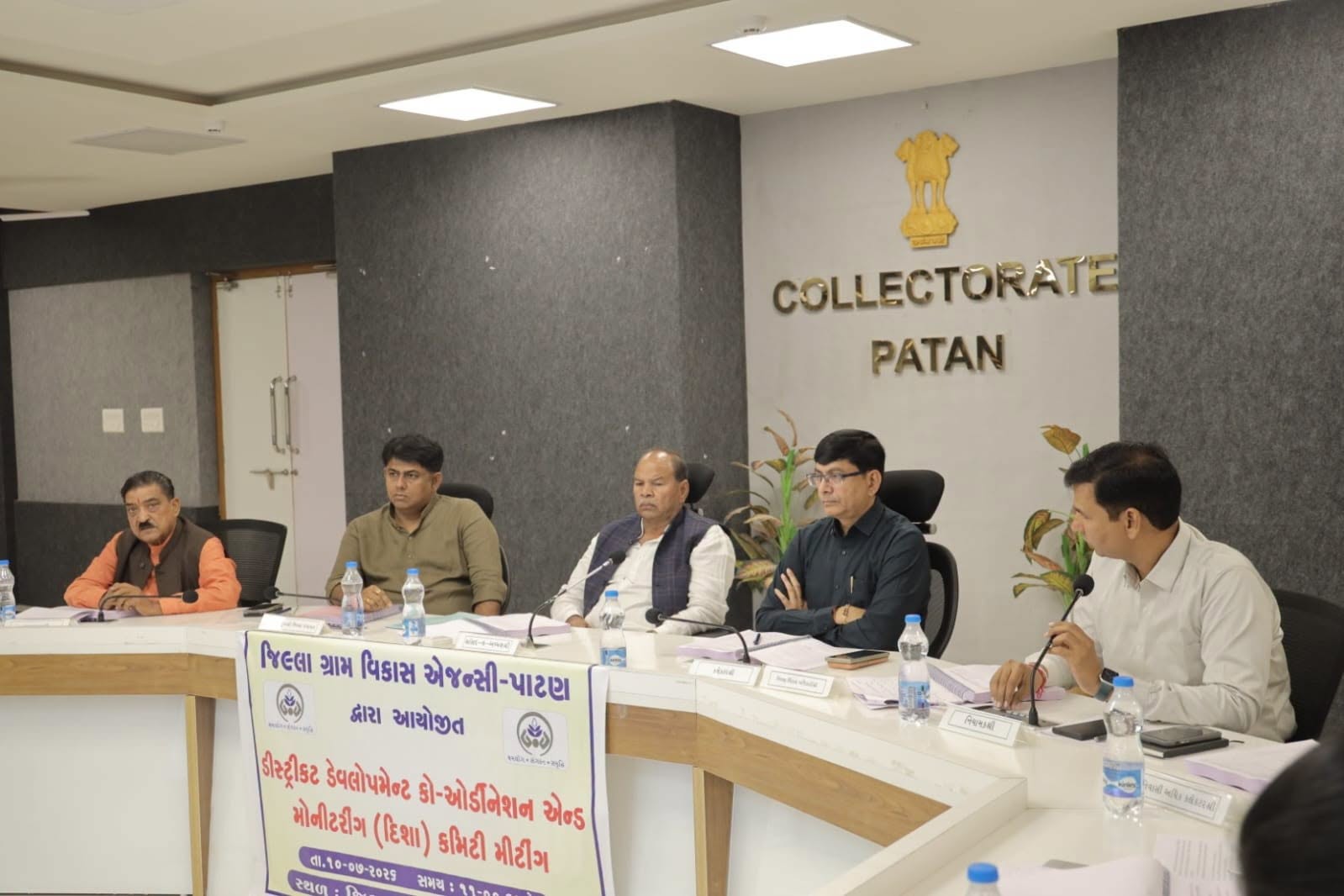
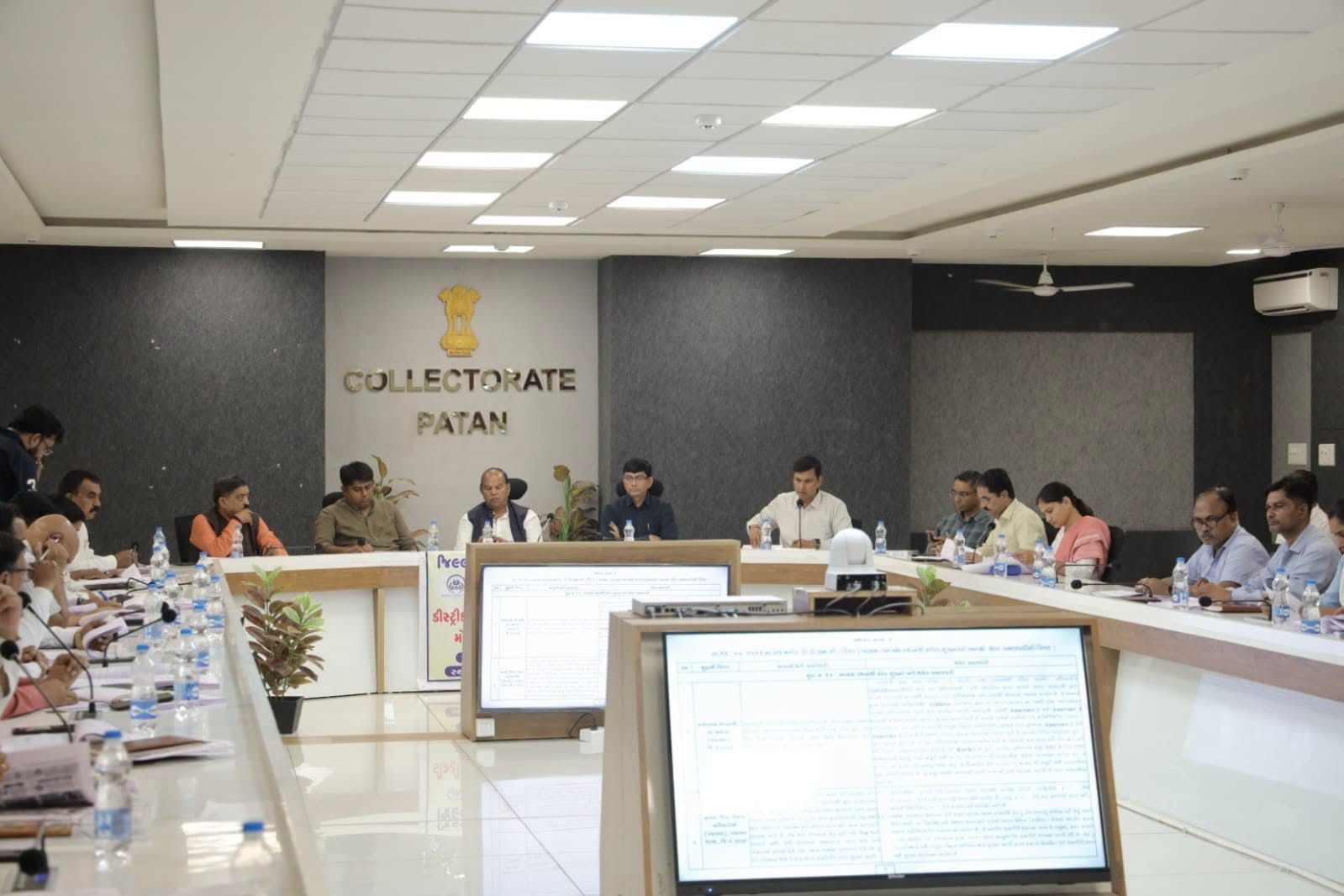
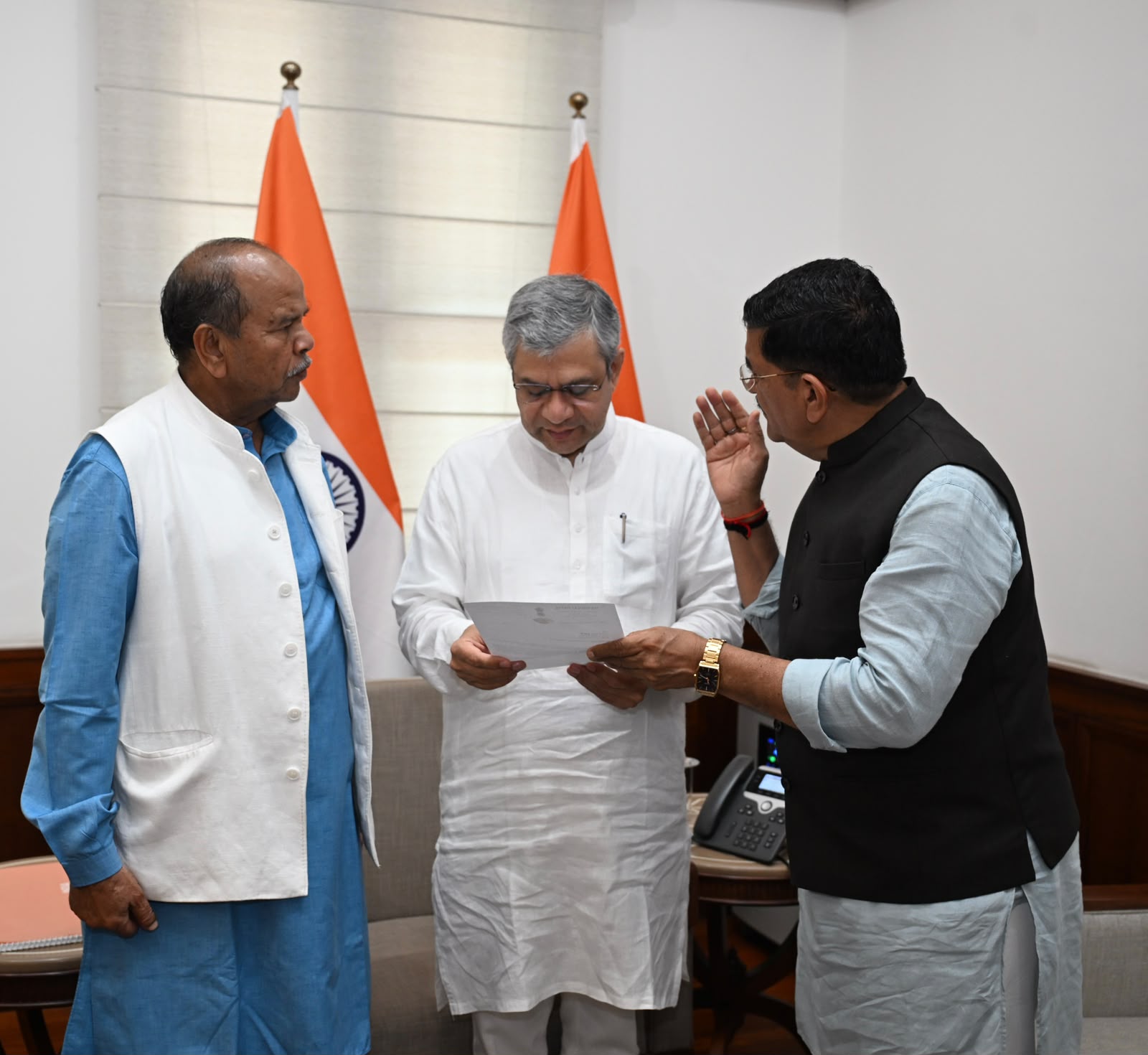
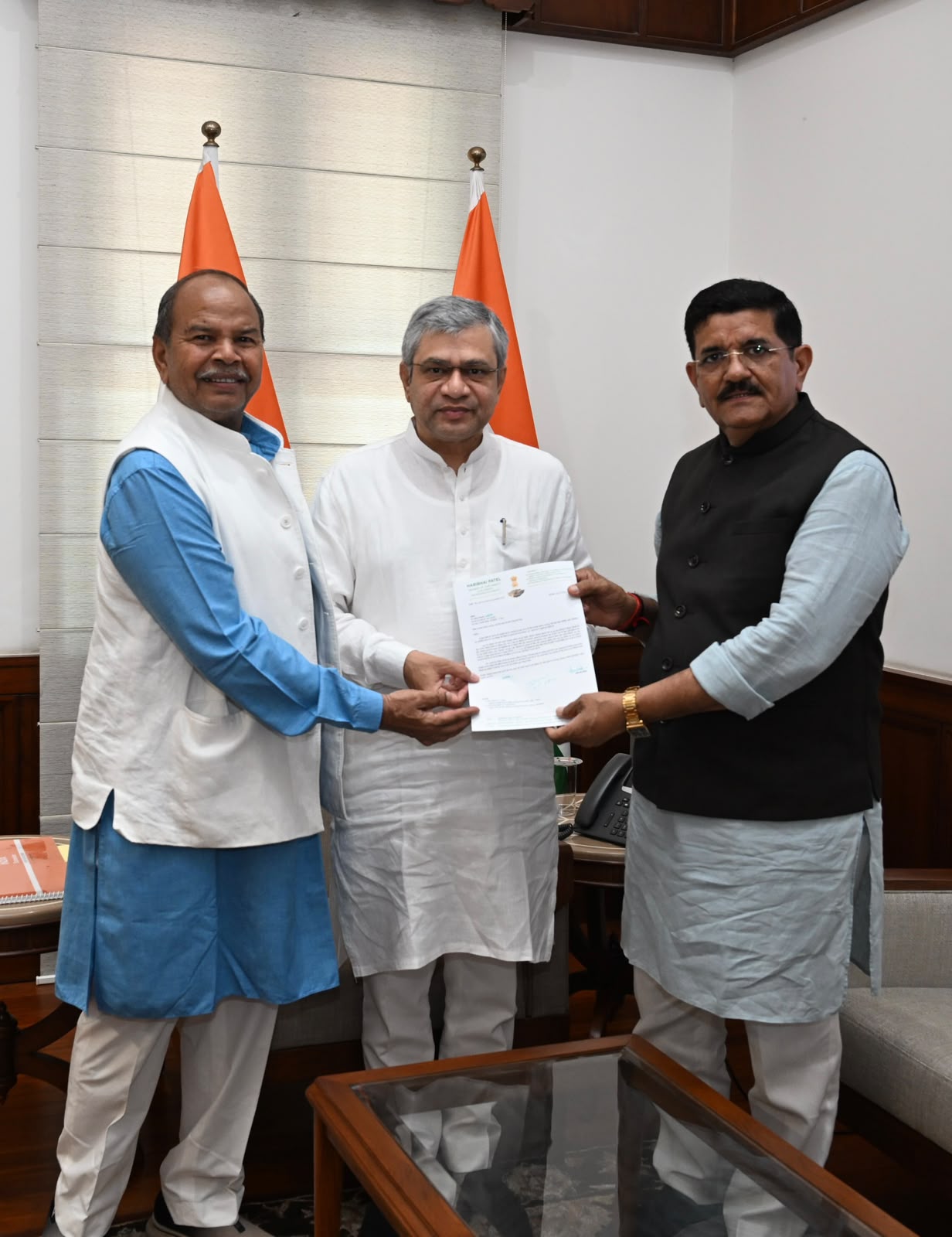
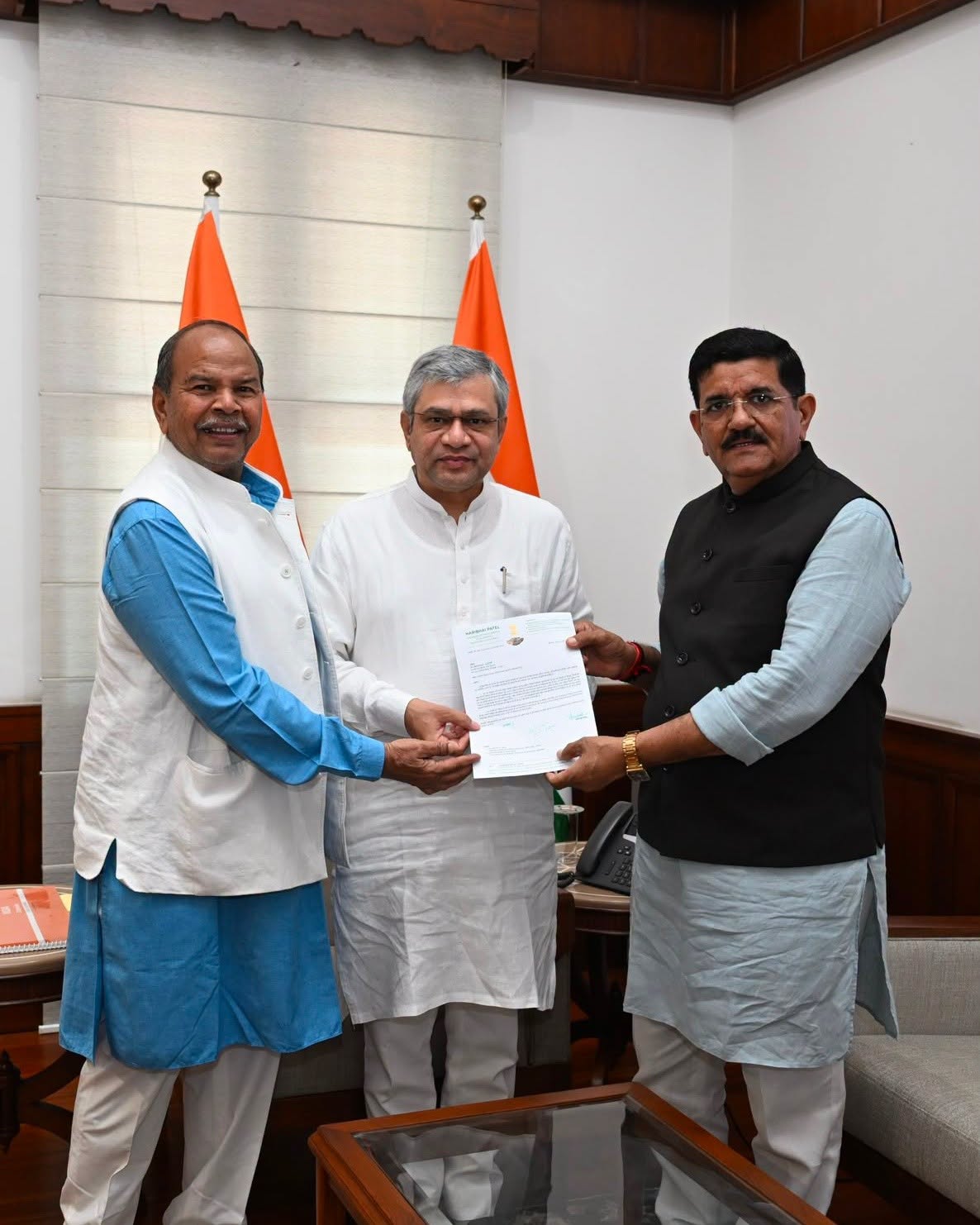
The largest volume of a legislator’s work leaves the House as correspondence. Applications received from citizens and village bodies are examined, the responsible authority is identified, and a written representation is prepared and submitted — to a state department, to the district administration, or, where the subject is central, to a Union Ministry.
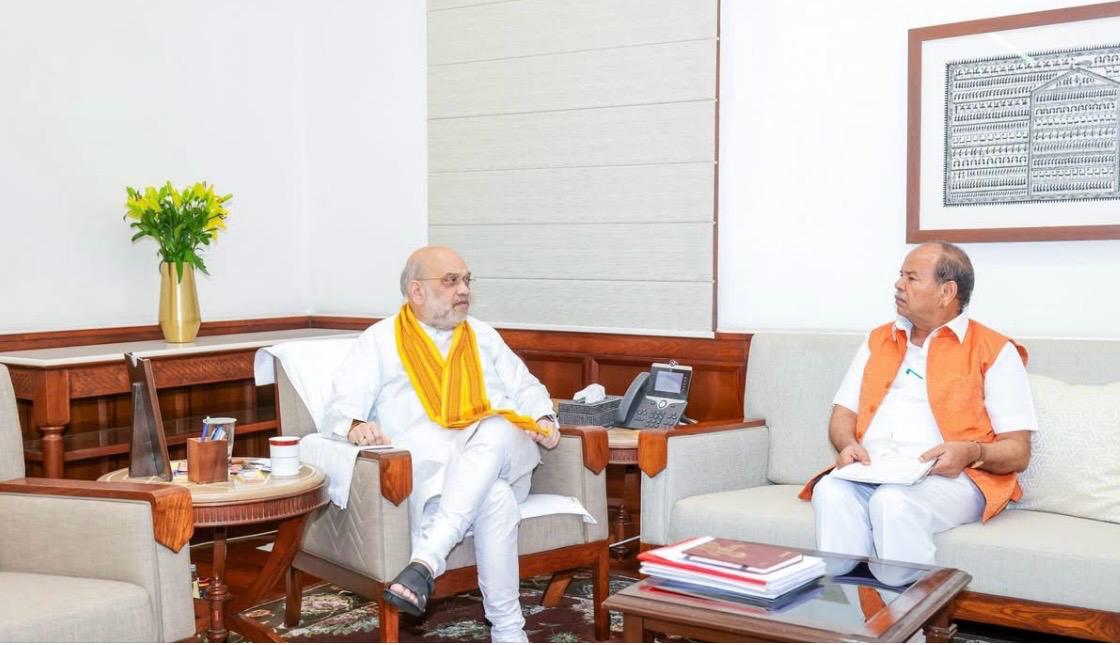
The photographs here document that process: representations submitted in person to Union Ministers, and the discussions that accompany them. A file handed over in a meeting travels differently from one posted; being present allows the specific question to be answered on the spot.
The discipline that matters is precision. A representation that names the village, the scheme, the sanction number and the stage at which the matter is stuck can be acted on by an official who has never heard of the place. A general appeal cannot.
Key public issues
These are the matters that recur across villages and therefore belong in the House rather than only in a district office.
Water
Declining water tables, canal branch extension, recharge structures and the coverage of micro-irrigation subsidies on small holdings.
Roads
Approach and link road sanctions, the quality of monsoon-season maintenance, and stretches left pending between agencies.
Rail
Stoppages, timings and station facilities that determine the practical reach of an entire taluka for students, patients and traders.
Education
Unfilled sanctioned posts in rural schools, missing upper-primary sections, and building and laboratory requirements.
Health
Doctor and paramedic vacancies at primary health centres and sub-centres, equipment, medicine supply and referral transport.
Farm
Procurement arrangements, storage and market yard facilities, crop advisory and support to dairy and animal husbandry.
Welfare
Pension, housing and assistance claims stalled in process, and the systemic causes behind repeated rejections.
Youth
Skill training capacity within the district, local employment opportunity and the out-migration of young people.
Legislative responsibilities
The obligations of the office are wider than the constituency that elects it.
To be reachable, to carry local requirements to the government accurately, and to report back honestly on what was and was not achieved.
To attend, to prepare, and to use the instruments of the Assembly for their intended purpose rather than for display.
To work with district and departmental officials as partners in delivery, while holding them to what has been sanctioned.
To leave behind a documented account of what was demanded, granted, delayed or refused — so that the next representative, and the next generation, can pick it up.